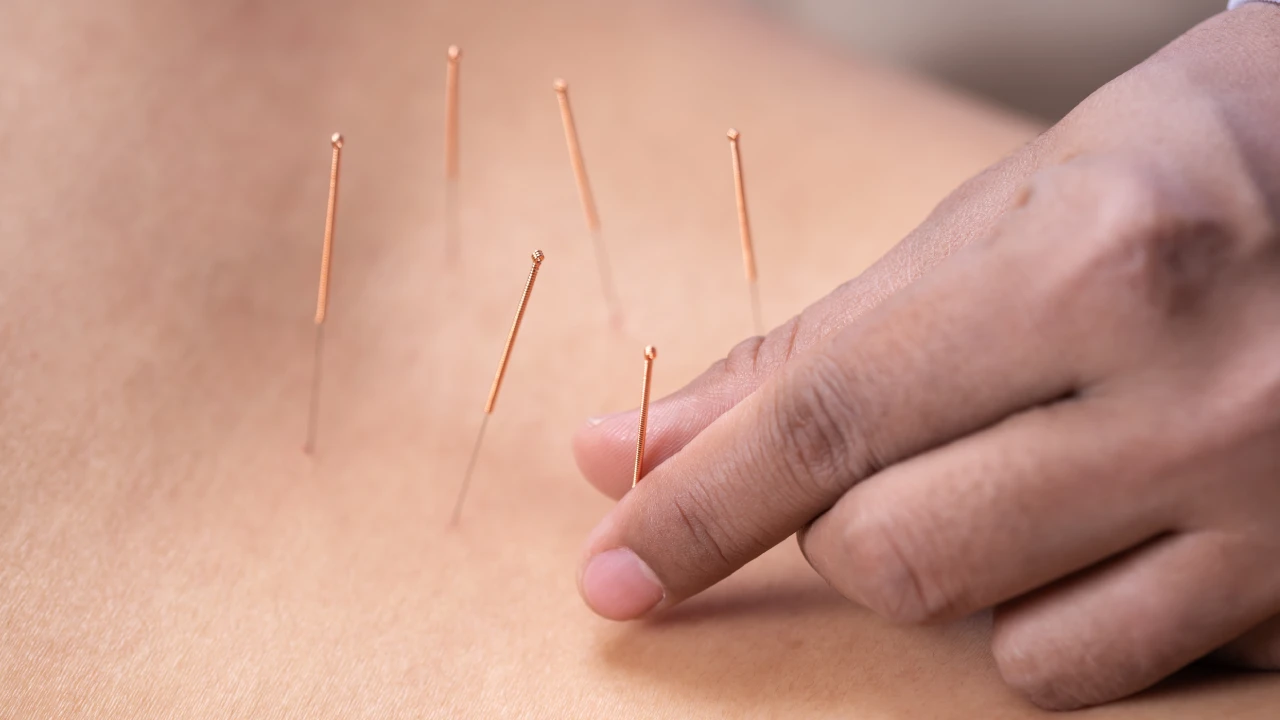
Muscle tightness, nerve irritation, and ongoing discomfort are common reasons people seek physiotherapy. Whether symptoms stem from a sports injury, repetitive strain, or post-surgical recovery, these issues can limit movement and interfere with daily life. Many individuals in Whitby explore different options to support their recovery, and Acupuncture has become a frequently discussed method within modern physiotherapy settings. When integrated into a structured care plan, it may influence how nerves and muscles communicate, helping support the body’s natural recovery processes.
Below are eleven ways in which acupuncture may influence nerve and muscle activity, along with how Physiotherapy & Sports Injuries Solutions incorporates this approach into patient care.
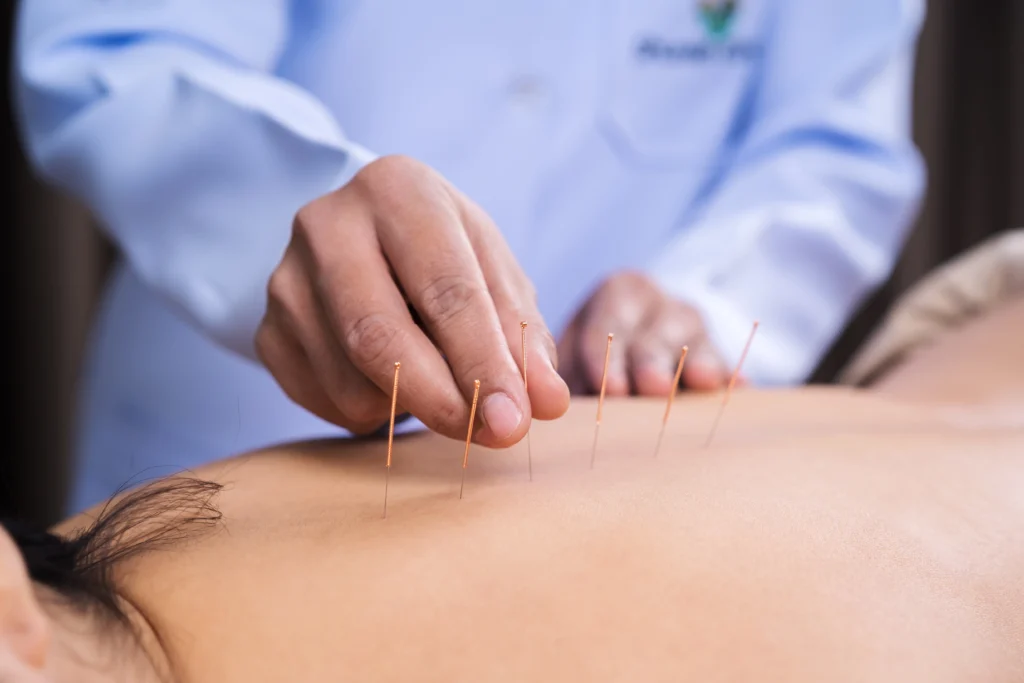
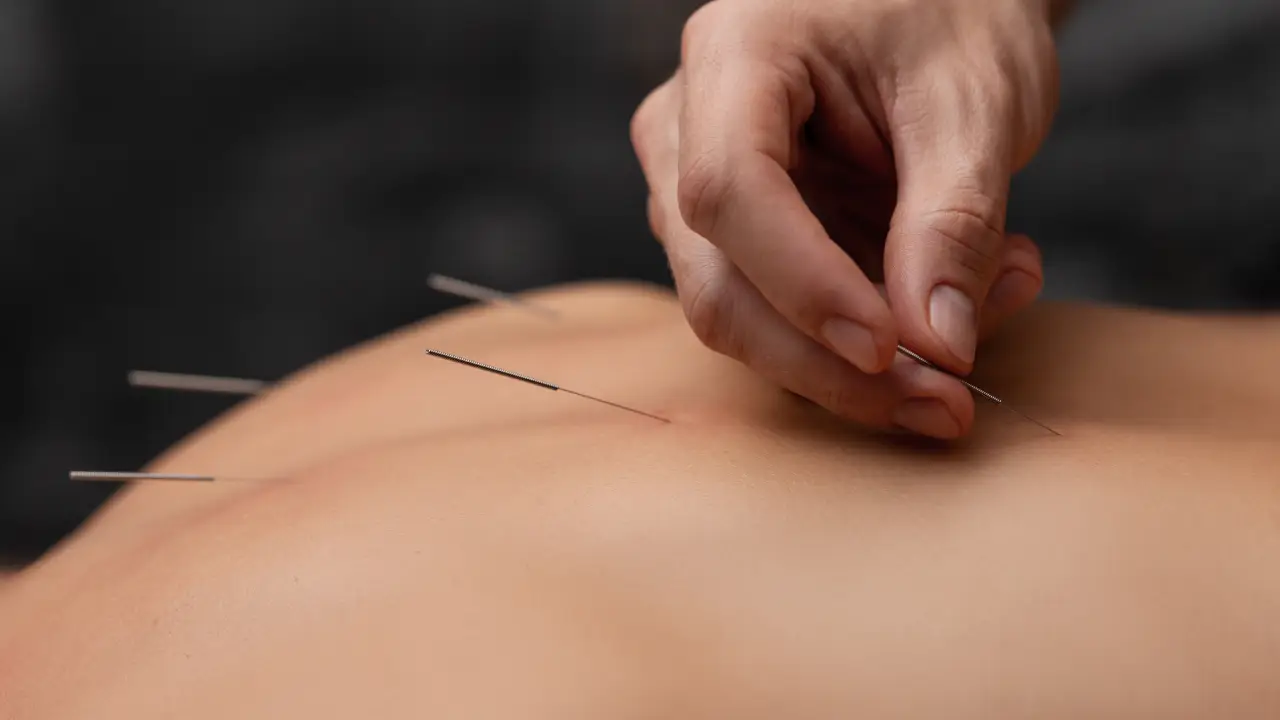
Tight muscles often restrict movement and place extra strain on surrounding tissues. Acupuncture may reduce excessive muscle tone by stimulating specific points along neuromuscular pathways. This can allow muscles to release tension, making it easier to move and stretch.
Nerves transmit signals between the body and the brain. When these signals become heightened due to injury or irritation, discomfort can persist. Acupuncture may affect how these signals are processed, helping calm overactive nerve responses.
Improved blood flow supports tissue repair by delivering oxygen and nutrients to affected areas. Targeted therapeutic techniques may promote local blood flow to specific sites, thereby supporting muscle and connective tissue recovery.
After surgery, muscles and nerves may become hypersensitive. These techniques can be incorporated into rehabilitation programs to help manage post-operative discomfort and support a gradual return to movement.
Athletes frequently deal with muscle overuse, minor tears, or nerve irritation. Such approaches are often used alongside exercise therapy to help manage these challenges and support tissue recovery.
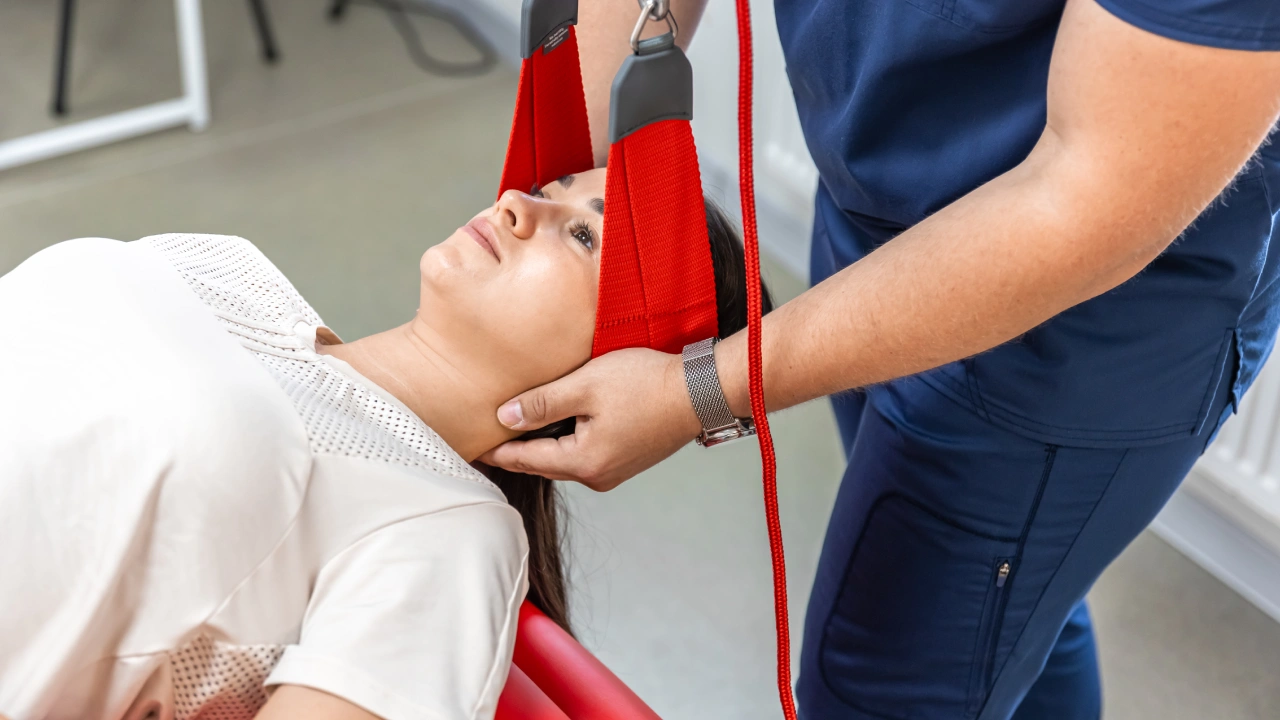
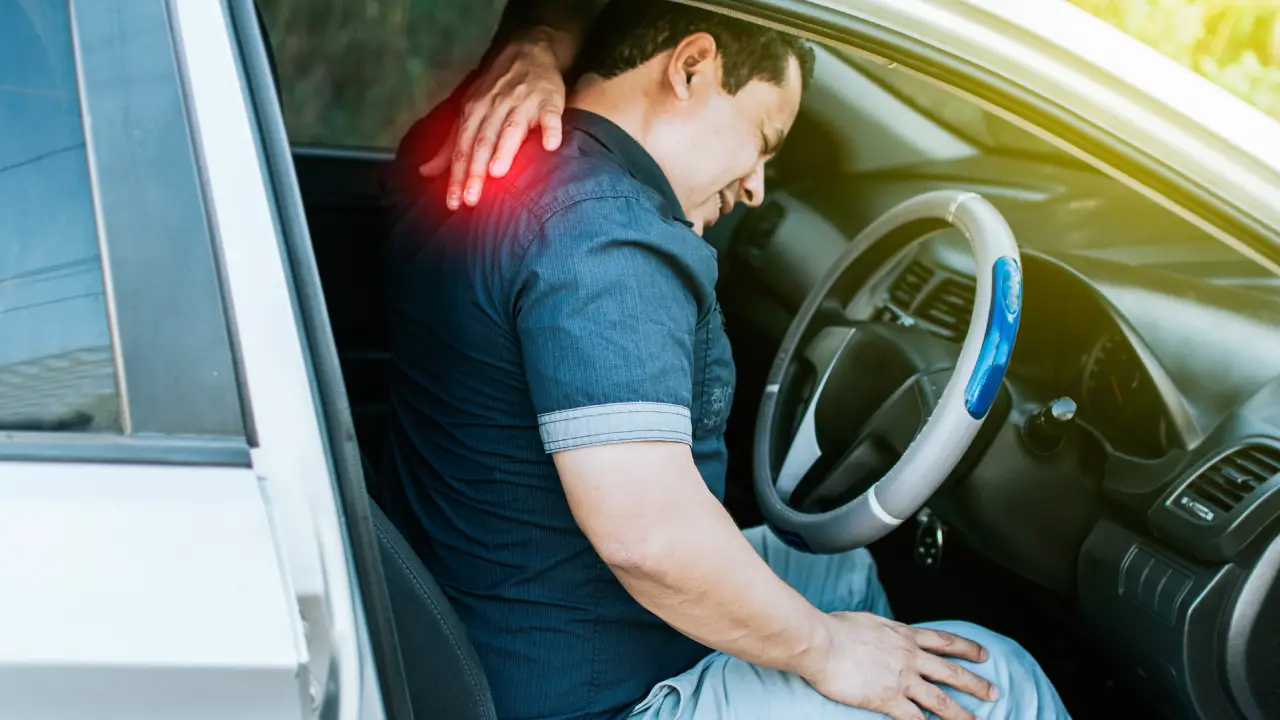
Back and neck concerns often involve both muscular and nerve components. Targeted interventions may affect the deep muscle layers around the spine, thereby improving mobility and reducing stiffness.
Efficient movement depends on smooth communication between nerves and muscles. These methods may help restore this communication, which is valuable for individuals working on balance, coordination, or movement retraining.
When the body senses injury, muscles may tighten as a protective response. Over time, this guarding can limit function. Acupuncture may help reduce this response, thereby enabling safer participation in rehabilitation exercises.
Ongoing conditions such as arthritis or nerve sensitivity may involve long-term changes in muscle tone and nerve signalling. Acupuncture is sometimes used as part of a broader plan to manage these patterns.
Hands-on techniques such as joint mobilization or soft-tissue work can be more effective when muscles are less tense. Acupuncture may prepare tissues for these approaches, allowing therapists to work more efficiently.
The nervous and muscular systems are interconnected throughout the body. Acupuncture may influence multiple regions at once, supporting overall movement quality and functional activity.
At Physiotherapy & Sports Injuries Solutions in Whitby, Acupuncture is used as part of a comprehensive physiotherapy approach. Each patient begins with an assessment to identify movement limitations, strength deficits, and functional goals. Based on findings, therapists determine whether Acupuncture may be appropriate alongside exercise therapy, manual techniques, and education.
Treatment sessions focus on addressing the root causes of symptoms rather than only the site of discomfort. This coordinated approach allows patients to progress through rehabilitation with clear direction and measurable goals.
Acupuncture may be considered for a wide range of concerns, including:
By pairing Acupuncture with therapeutic exercise and movement retraining, patients can work toward improved function and daily activity.
While in-clinic care is important, consistent home habits also influence outcomes. Patients may benefit from:
These strategies can complement the effects of Acupuncture and physiotherapy sessions.
Every individual presents with unique movement patterns and health history. Working with a qualified physiotherapist ensures that acupuncture is applied safely and appropriately within a structured plan. Professional oversight also allows adjustments as progress occurs, helping patients move forward with confidence. According to Wikipedia, acupuncture is a form of complementary therapy that involves inserting thin needles into specific points on the body to support pain management and overall well-being.
Nerve and muscle concerns can affect many aspects of daily life, from work tasks to recreational activities. When used as part of a physiotherapy program, this approach may influence how these systems function and support recovery.
If you are in Whitby and exploring options to manage discomfort or improve mobility, Physiotherapy & Sports Injuries Solutions is here to help. Contact the clinic today to book a consultation and learn how physiotherapy and related techniques can be integrated into your care plan.