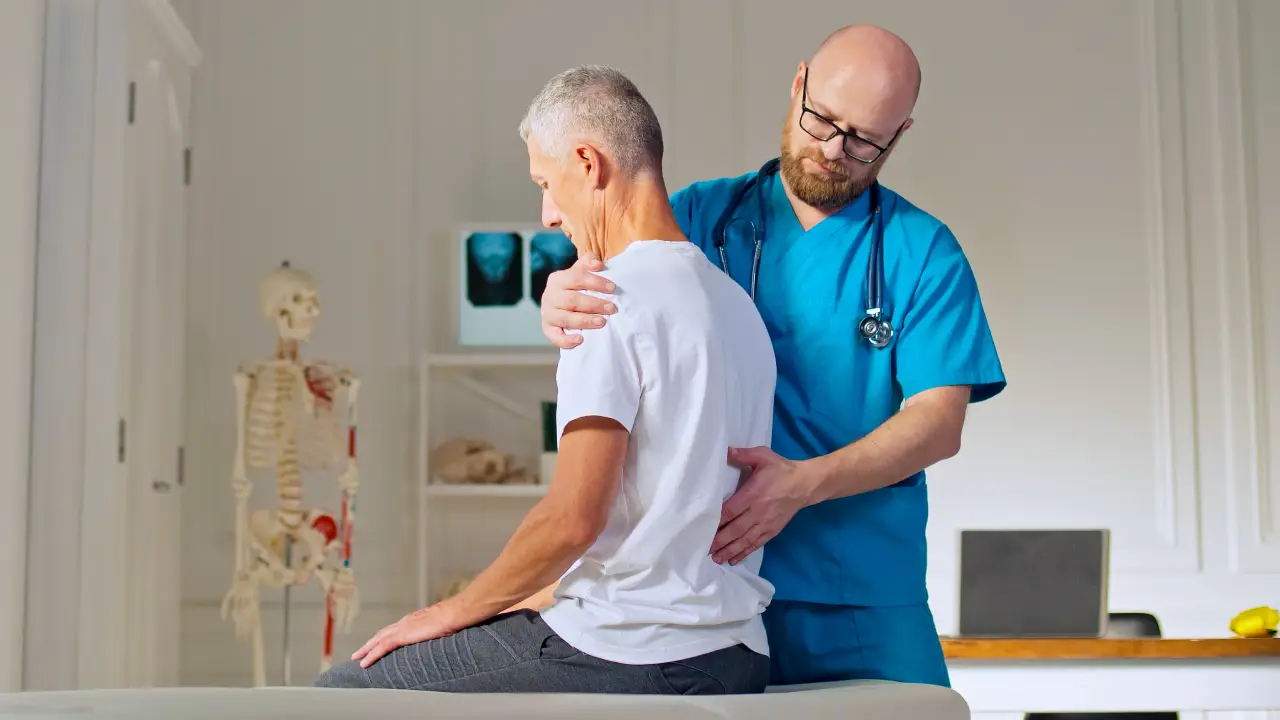
Mobility is more than just moving around — it’s the foundation for independence, comfort, and quality of life. As people age, stiffness, joint discomfort, and slower recovery can make once-simple activities more difficult. Seniors in the Durham Region, particularly, are discovering that physiotherapy offers practical solutions to support movement, alleviate discomfort, and maintain Confidence in their daily routines.
This article explores what physiotherapy involves, why it matters for older adults, and how it specifically improves Mobility. Let’s break it down step by step.
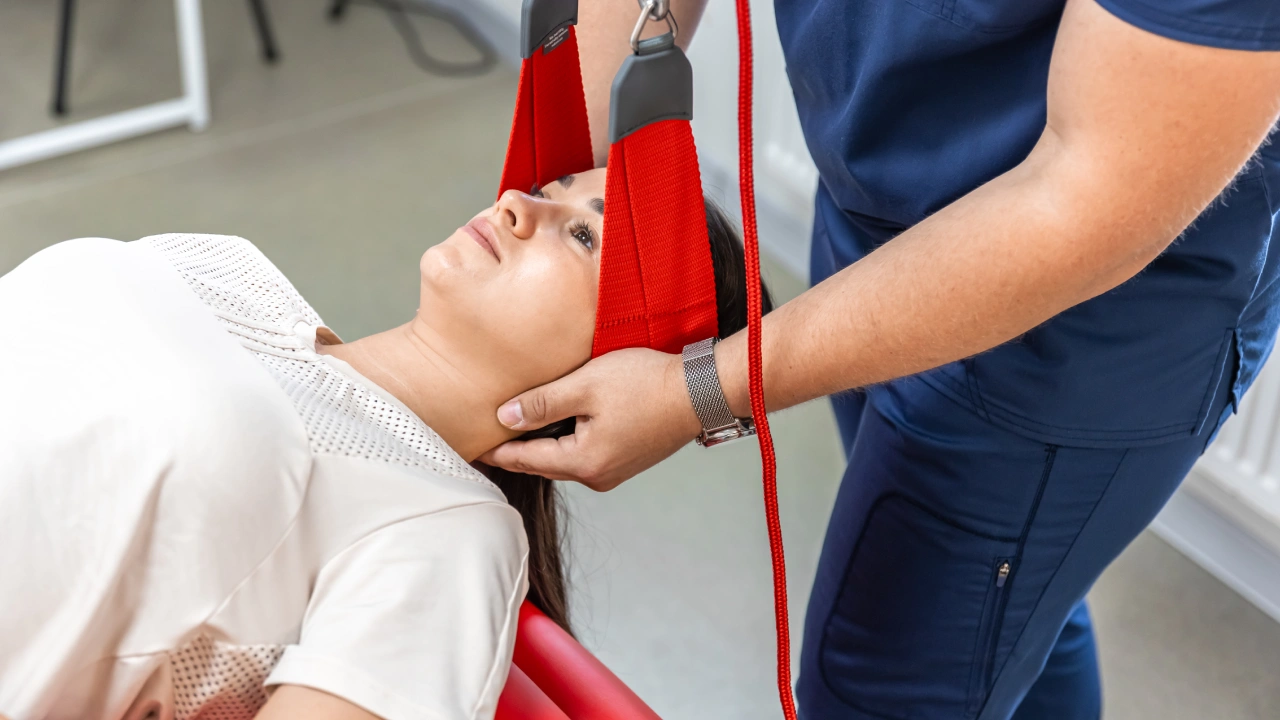
Physiotherapy is a healthcare practice focused on restoring and improving physical function. It addresses the unique challenges of aging for seniors. Instead of using a one-size-fits-all model, physiotherapists assess individual needs, conditions, and goals.
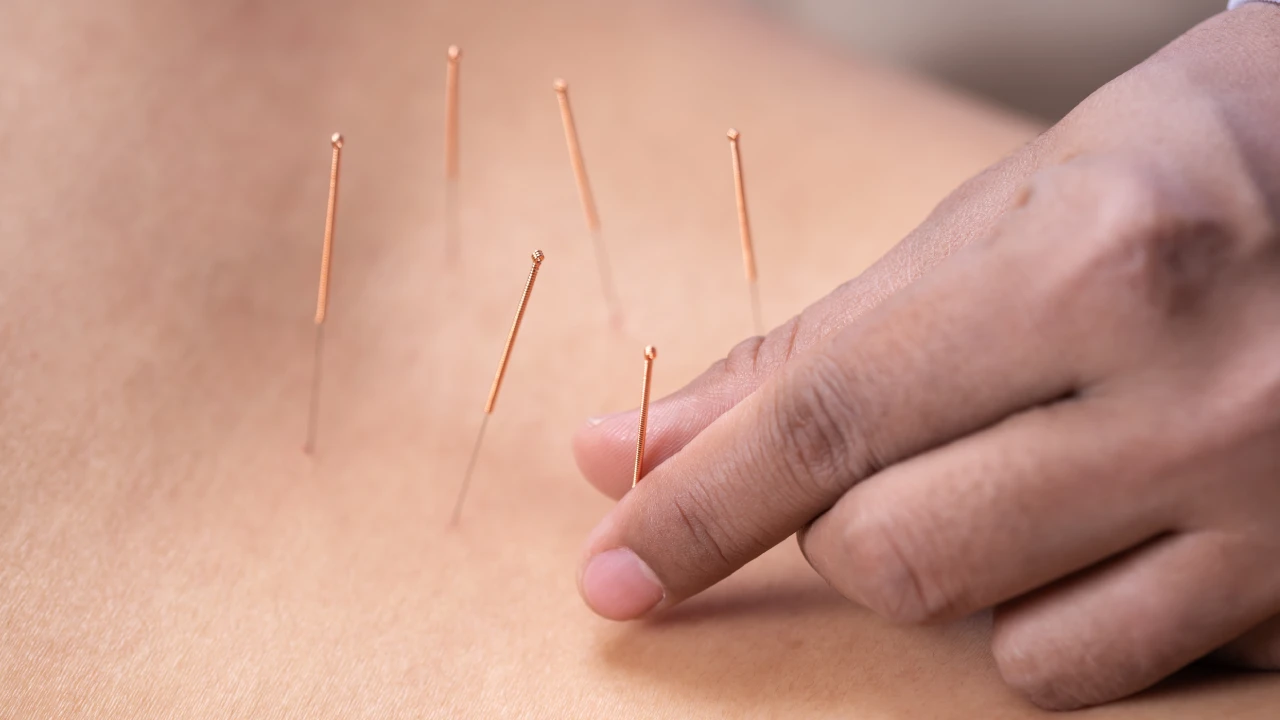
When seniors seek physiotherapy, sessions may involve:
The goal is not only to treat symptoms but to help older adults feel more capable in their day-to-day lives.
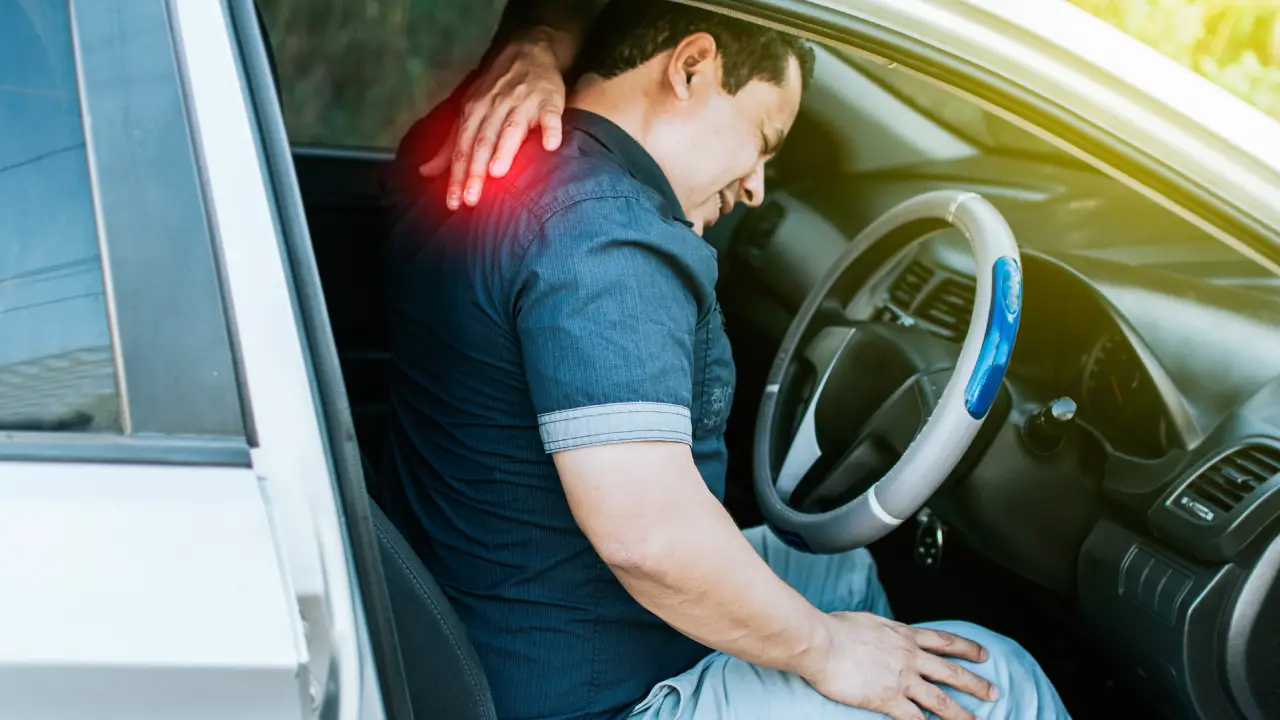
Just one factor rarely causes Mobility challenges in seniors. Instead, they often result from a combination of age-related changes, health conditions, and lifestyle shifts. Common reasons include:
These factors explain why many older adults turn to physiotherapy to keep moving safely and comfortably.
Now that we’ve looked at what physiotherapy is and why mobility issues occur, let’s explore how physiotherapy directly helps seniors maintain or regain independence. Below are six key reasons older adults rely on this approach.
Arthritis and age-related joint wear can limit daily activities. Physiotherapists design targeted routines that reduce stiffness, improve joint flexibility, and strengthen surrounding muscles. It makes walking, bending, and climbing stairs more manageable.
Falls are a significant concern for seniors. Through balance retraining and core strengthening, physiotherapy helps reduce the risk of slips and falls. Improved stability not only prevents injuries but also restores Confidence in movement.
Many older adults undergo procedures such as knee or hip replacements. Rehabilitation is crucial for regaining a full range of motion. Physiotherapy offers step-by-step recovery plans that build strength safely, reduce swelling, and accelerate healing.
Mobility goes beyond exercise. It directly affects everyday routines, such as cooking, dressing, and shopping. Physiotherapists focus on functional training to support daily activities, ensuring seniors can maintain independence at home and in the community.
Conditions like osteoporosis, Parkinson’s disease, and chronic back pain make mobility more complex. Physiotherapy offers tailored exercises and posture training that help manage symptoms while encouraging safe movement patterns.
Remaining active is vital for healthy aging, yet seniors may hesitate due to pain or uncertainty. Physiotherapists provide safe, structured activity plans. These routines encourage movement without strain and promote long-term wellness.
Local access matters. Having qualified professionals nearby makes it easier for seniors to attend appointments consistently, which is key to progress. Clinics are well-equipped to meet community needs and often offer flexible scheduling to accommodate seniors and their families.
By choosing physiotherapy, older adults gain not only professional guidance but also convenient care that fits into their routines. This accessibility helps people maintain mobility improvements over the long term.
Taking the first step can feel overwhelming, but the process is straightforward. Here’s how to begin:
This straightforward pathway ensures that seniors and their families feel supported from the very beginning.
Mobility is essential to maintaining independence, dignity, and an active lifestyle as we age. Seniors in the community are increasingly turning to physiotherapy to manage pain, regain strength, and remain active in daily life.
With proper guidance, older adults can continue to live with greater freedom and Confidence. For those ready to explore this path, Physiotherapy & Sports Injuries Solutions is available to help seniors move forward toward improved mobility and a better quality of life.