
An auto accident can affect the body in ways that are not always obvious right away. Even minor collisions may disrupt how joints, muscles, and nerves work together. In the days or weeks that follow, people in Whitby often notice that simple movements feel restricted or uncomfortable. Tasks that once felt automatic may now require effort or caution. MVA Therapy addresses these movement changes by focusing on how the body responds after a motor vehicle accident and how those responses impact daily life.
Rather than focusing solely on isolated symptoms, MVA Therapy examines movement patterns. This approach helps identify why certain activities feel difficult and how those challenges can be managed through clinic-based physiotherapy care.
After an accident, the body may adopt protective movement habits. These patterns can limit motion, reduce strength, and increase strain during everyday tasks. Without proper guidance, these changes may persist. MVA Therapy helps address these ongoing movement issues by supporting gradual reconditioning and improved coordination. Below are eight common struggles many people experience, along with how this type of care focuses on them.
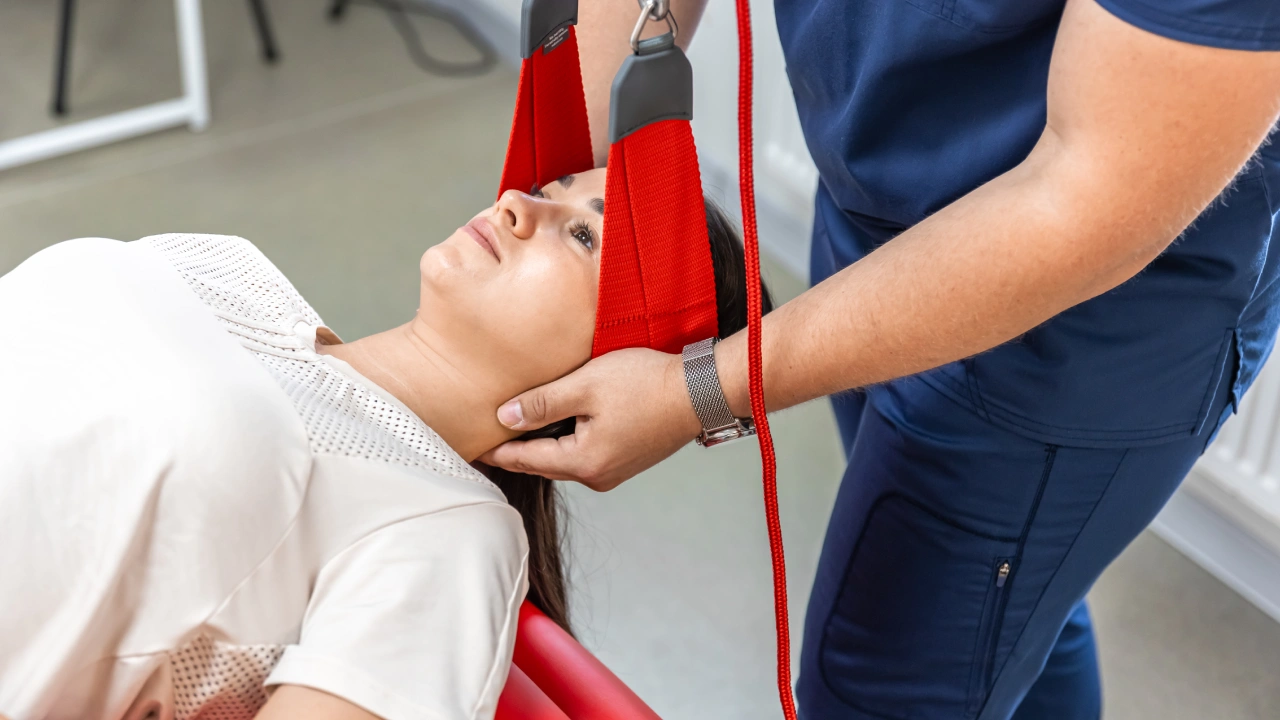
Turning the head to check traffic or reverse can feel tight or uncomfortable after an accident. Neck joints and surrounding muscles often lose mobility following sudden impact. MVA Therapy focuses on restoring controlled neck motion through guided exercises and hands-on techniques that support safer movement during driving.
Prolonged sitting at work or standing during daily tasks may cause stiffness or discomfort. These issues often stem from reduced spinal support and altered posture. MVA Therapy works on posture awareness and gradual strengthening to improve tolerance during these common positions.
Reaching overhead or carrying items such as groceries can feel limited after a collision. Shoulder and upper back movement may not function smoothly. MVA Therapy focuses on shoulder coordination and joint control, so routine tasks become easier to manage.
Some individuals notice changes in walking rhythm or balance following an accident. Uneven steps or hesitation on stairs can affect confidence. MVA Therapy includes gait training and balance-focused activities that support steadier movement during daily outings.
Bending to pick up objects or lifting light loads may feel awkward. Poor movement strategies often develop when the body tries to protect injured areas. MVA Therapy addresses how the hips, knees, and spine work together to support safer bending and lifting habits.
Fatigue during short walks or household chores is common after an auto accident. Muscles may not engage efficiently, leading to early exhaustion. MVA Therapy focuses on building gradual activity tolerance so daily routines can be completed with less strain.
Rolling in bed or getting out of bed in the morning can be uncomfortable. Disrupted sleep can affect energy and focus throughout the day. MVA Therapy includes movement strategies and positioning guidance that support easier transitions and improved rest.
One of the biggest concerns after an accident is resuming normal responsibilities. Whether it involves work tasks, caregiving, or social activities, physical readiness matters. MVA Therapy supports the transition back to these roles by addressing the movement demands of daily responsibilities.
Managing post-accident movement issues requires ongoing assessment and structured progression. MVA Therapy provided in a physiotherapy clinic allows for consistent monitoring and timely adjustments. This approach helps ensure that movement strategies remain appropriate as recovery progresses. Clinic-based care also provides access to equipment and professional oversight that supports steady improvement.
For individuals in Whitby, attending regular MVA Therapy sessions can help maintain momentum and reduce setbacks. Addressing movement challenges early often supports a smoother return to daily activities.
Choosing the right environment for post-accident care can influence how confidently someone returns to everyday life. MVA Therapy focuses on restoring functional movement rather than avoiding activity. Through structured sessions, individuals learn how to move with greater control and awareness during daily tasks.
As progress continues, MVA Therapy supports independence in movement and helps individuals feel more capable during work, home, and community activities. This approach emphasizes consistency, education, and gradual advancement.
In Whitby, Physiotherapy & Sports Injuries Solutions provides clinic-based MVA Therapy for individuals navigating movement challenges after an auto accident. Our clinic supports patients through each stage of recovery, helping them return to daily routines with greater ease and confidence.