Dealing with dizziness, vertigo, or balance problems can significantly impact your day-to-day life. When the vestibular system, the part of your inner ear responsible for balance, is disrupted, individuals may experience difficulties walking, maintaining equilibrium, or even performing basic tasks. Fortunately, Vestibular Therapy provides an effective, non-invasive treatment that addresses these symptoms, helping you regain stability and confidence.
The vestibular system plays a crucial role in maintaining balance and spatial orientation. It works alongside your vision and proprioception to keep you aware of your body’s position and movement. When this system is affected—whether due to conditions like BPPV (benign paroxysmal positional vertigo), Meniere’s disease, vestibular neuritis, or aging—dizziness, vertigo, and imbalance can result; these symptoms can severely impact one’s ability to function normally.
Vestibular Therapy aims to retrain the brain and body to properly process information from the vestibular system, improving balance and reducing symptoms such as dizziness and vertigo.
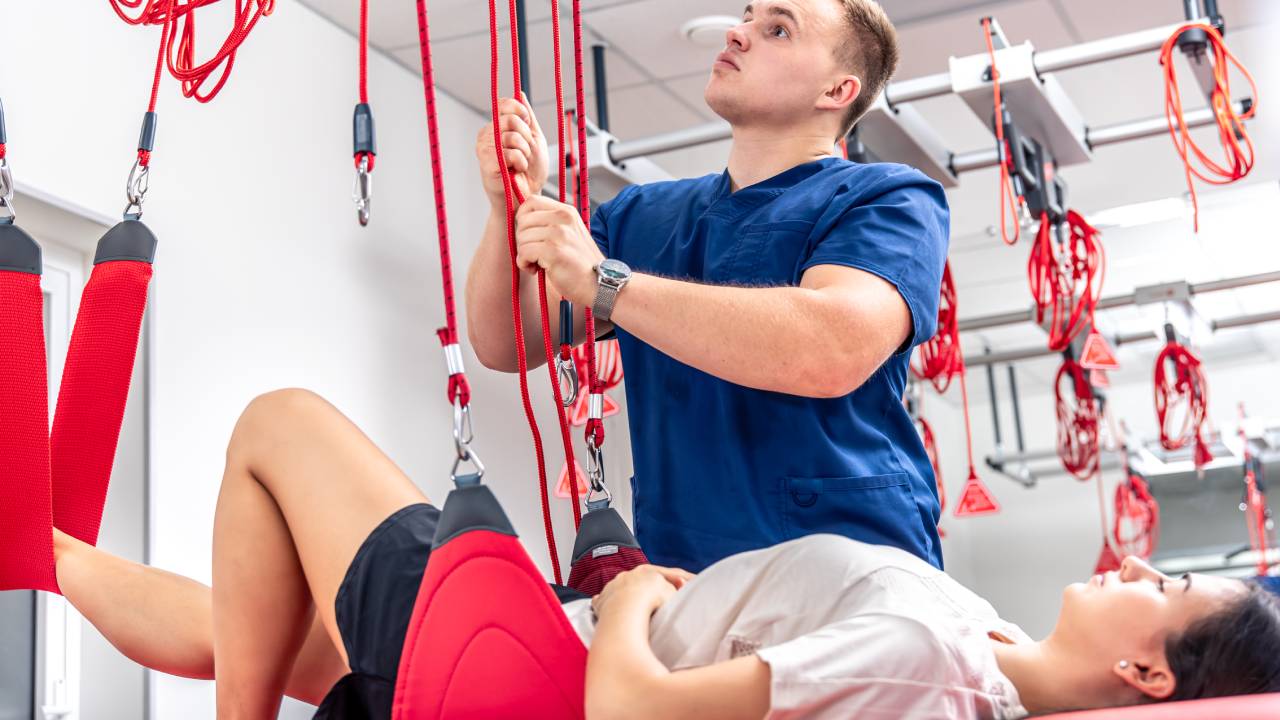
Vestibular Therapy, also known as vestibular rehabilitation therapy (VRT), is a specialized form of physical therapy designed to help individuals recover from balance disorders. The therapy involves a series of tailored exercises to retrain the brain to adapt to changes in the vestibular system. These exercises are tailored to the individual’s specific symptoms and underlying condition.
The primary goals of vestibular therapy are to help patients regain balance, reduce dizziness, and restore Confidence in movement. Over time, these exercises promote the normalization of vestibular function, allowing individuals to return to their normal activities without the fear of falling or dizziness.
Many people who experience persistent dizziness, vertigo, or balance issues can benefit from Vestibular Therapy. This therapy is particularly beneficial for:
If you’ve noticed a decline in your balance or dizziness is interfering with your daily life, vestibular therapy could be an effective way to help you regain stability.
When you visit a specialist for vestibular therapy, the therapist will begin by evaluating your symptoms and medical history. They will perform a series of tests to understand the specific nature of your balance issues. This might include assessing your eye movements, evaluating your walking patterns, and performing various balance tests.
Once a diagnosis is made, the therapist will develop a personalized treatment plan that may include exercises to improve gaze stability, posture, and overall balance. These exercises are designed to expose the vestibular system to controlled movements, allowing it to adapt gradually. Over time, patients will notice significant improvements in their ability to perform everyday tasks, such as walking, climbing stairs, or even driving.
One of the primary benefits of vestibular therapy is restoring balance. Through targeted exercises, the treatment helps individuals regain the ability to move confidently without the fear of dizziness or falling. This is especially important for those at higher risk of falls, such as older adults or those recovering from a head injury.
In addition to improving balance, vestibular therapy helps reduce vertigo symptoms, making it easier to engage in everyday activities. As your vestibular system becomes more adapted to standard movement patterns, you’ll find it easier to walk, exercise, or even return to hobbies that you once avoided due to dizziness.
This therapy also promotes long-term improvements in mobility and quality of life. Patients report feeling more confident and less dependent on others for assistance. Whether it’s walking in a straight line, maintaining posture, or simply standing without swaying, vestibular therapy offers significant improvements that help individuals regain control over their lives.
During your first visit for vestibular therapy, you will undergo an evaluation to assess the severity and nature of your symptoms. The therapist will ask about your medical history, the onset of symptoms, and any previous treatments you’ve received. This information helps tailor a treatment plan that addresses your specific needs.
The therapy itself typically involves a series of exercises designed to improve balance, reduce dizziness, and help your brain adapt to changes in the vestibular system. You may start with simple exercises that involve head movements and eye coordination. As you progress, the exercises will become more complex and further challenge your balance.
Each session usually lasts 30 to 60 minutes, and you will also be given exercises to do at home. Consistency is key to success, so it’s essential to follow your therapist’s instructions and practice at home between sessions.
The duration of vestibular therapy depends on several factors, including the severity of your symptoms and the underlying condition. Some people experience improvements after just a few sessions, while others may need longer treatment to achieve optimal results.
Generally, therapy is performed once or twice a week, with sessions gradually decreasing in frequency as you make progress. The length of treatment can range from a few weeks to several months, depending on how quickly you respond to the exercises.
It’s important to remember that improvement takes time, and it’s essential to be patient and committed to the process. Over time, most patients experience significant relief from dizziness, improved balance, and a return to normal daily activities.
If you are considering vestibular therapy , it’s essential to find a qualified therapist with experience in treating vestibular disorders. Look for a clinic that specializes in vestibular rehabilitation and provides personalized treatment plans tailored to your specific needs.
You can start by asking your doctor for referrals or by searching online for experienced therapists. Be sure to read reviews or testimonials from other patients to gauge the quality of care you can expect.
Dealing with dizziness, vertigo, or balance issues can be challenging, but Vestibular Therapy offers an effective solution to help you regain stability and confidence. Whether you’re recovering from an injury, managing a vestibular disorder, or simply dealing with the effects of aging, vestibular therapy can improve your balance, reduce symptoms, and restore your confidence in movement.
If you’re ready to take control of your health and improve your quality of life, seek out a qualified vestibular therapist today. Start your journey towards better balance and a more active lifestyle with the support of professional vestibular rehabilitation.