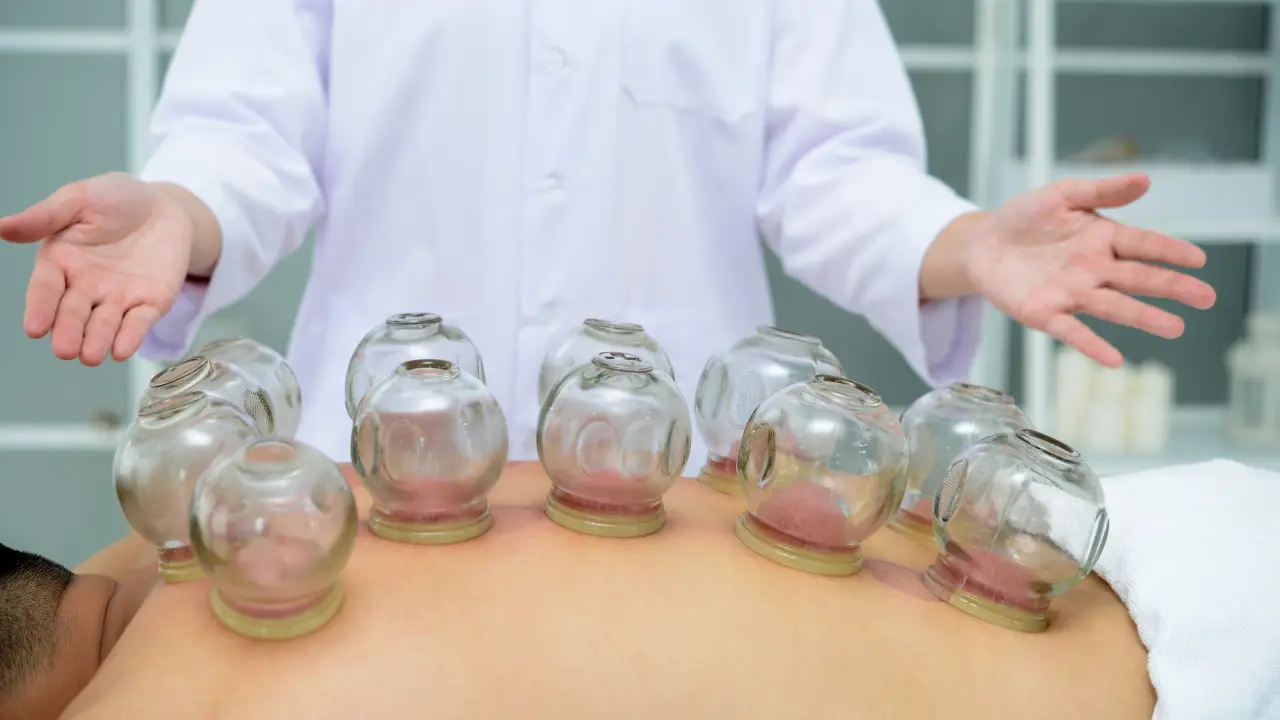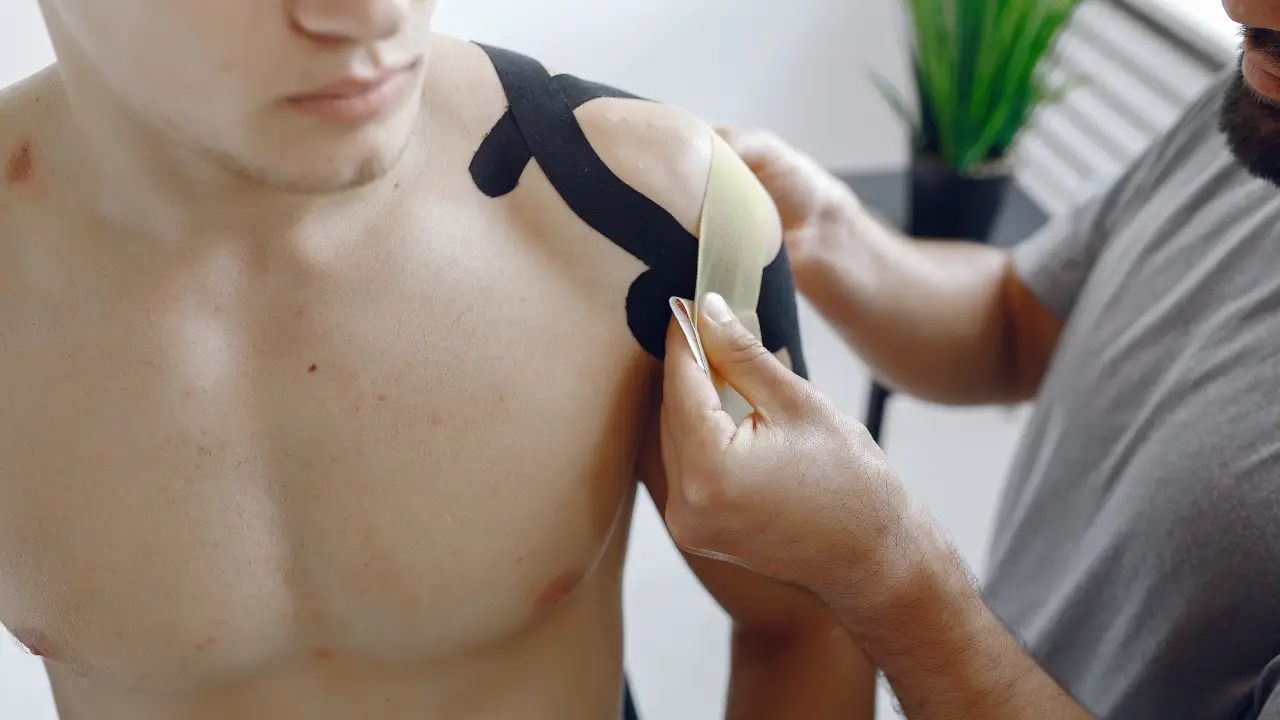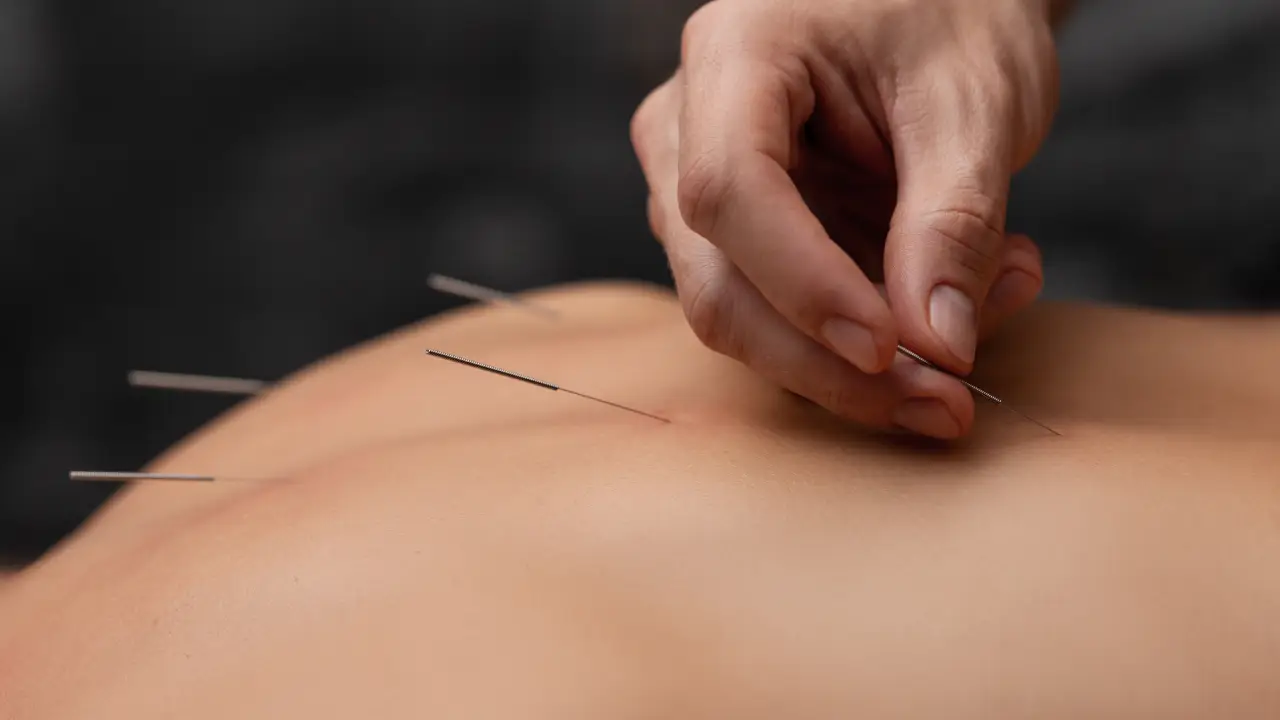
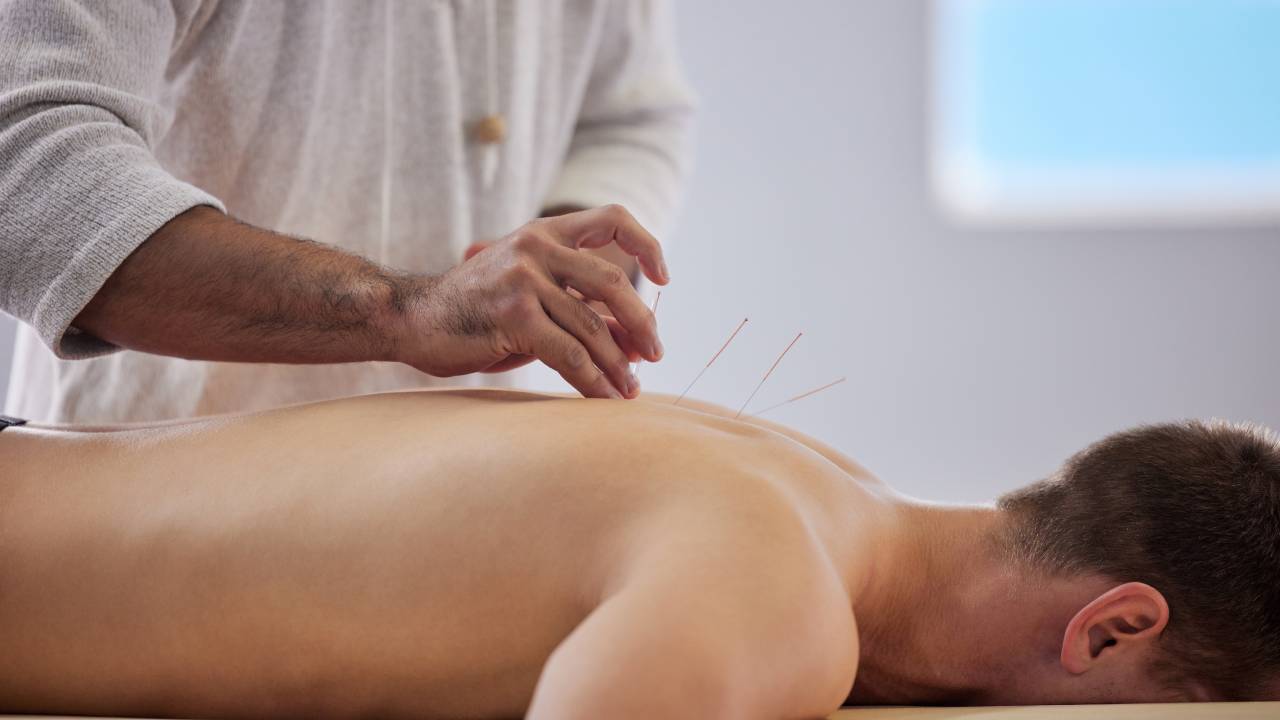
Many people try acupuncture to support recovery from physical strain, manage chronic discomfort, or complement physiotherapy. While a trained provider guides the clinical session itself, recovery doesn’t end when the needles come out. What happens in the hours and days afterward can influence how your body responds to treatment.
Whether it’s your first or fifth time receiving acupuncture, knowing how to care for your body at home may contribute to how you feel between sessions. Below are seven practical tips you can follow after treatment.
What happens in the clinic is only half the story. Once your acupuncture session ends, your body continues to react—subtle shifts in tension, circulation, and energy often unfold over the next 24 to 48 hours.
Without the proper support at home, the impact of your treatment may lessen. In contrast, following a few simple aftercare strategies can help reinforce the work your practitioner started, leading to steadier progress over time.
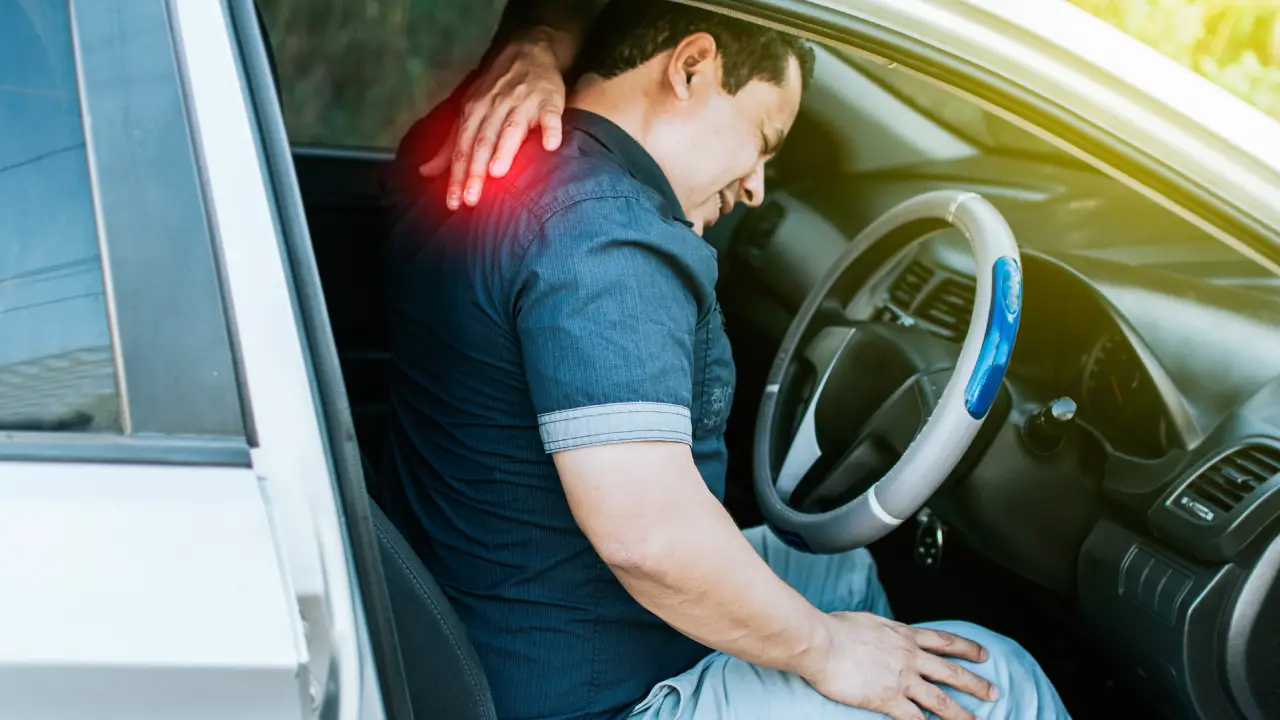
Whether you’re recovering from a sports injury or dealing with lingering tension, these tips can help you make the most of acupuncture while staying active in your own recovery.
You don’t need to lie down for hours, but your body benefits from low-stimulation time after treatment. A quiet walk, gentle reading, or a short nap allows your nervous system to settle after acupuncture.
Water supports circulation, flushes metabolic waste, and prevents sluggishness post-treatment. After acupuncture, sip water gradually throughout the day and avoid dehydrating substances like alcohol and high-caffeine drinks.
Heavy, greasy, or overly processed foods can leave you feeling sluggish. Following acupuncture, opt for warm, nourishing meals such as rice with steamed vegetables, brothy soups, or cooked grains that are easier on digestion.
Unless advised otherwise, warm compresses or heating pads can soothe areas treated during, especially for muscle tension or stiffness. Avoid cold packs unless directed by your provider, as they may restrict circulation.
It’s best to avoid intense workouts, cardio, or weight lifting for 24 hours. Instead, try light stretching, walking, or mobility exercises to maintain fluidity without taxing the body after acupuncture.
Use a journal or phone note to record changes in how you feel—sleep, digestion, pain levels, or emotional shifts. Patterns that emerge after acupuncture sessions help your physiotherapist adjust your plan as needed.
Loud environments, screen fatigue, and multi-tasking can overstimulate the nervous system. After acupuncture, try to avoid high-sensory inputs to let your body remain in a calmer, recovery-oriented state.
Intentional breathing can extend the calming effects of acupuncture. A few minutes of diaphragmatic or box breathing each evening helps regulate your nervous system and promote better sleep.
Some benefits build gradually. One session may spark short-term relief, but a consistent schedule allows cumulative progress. Many receiving acupuncture as part of a treatment plan notice more sustained results with routine visits.
Mild soreness, fatigue, or temporary emotional release can be part of the post-treatment cycle. If you experience anything that feels concerning after acupuncture, such as prolonged discomfort or light-headedness, don’t hesitate to contact your provider.
The effects may be amplified when paired with sleep hygiene, ergonomic changes, supportive exercise, or stress regulation tools. Speak with your physiotherapist about small shifts that align with your treatment goals.
Following through with aftercare doesn’t require complicated routines or strict plans. Most of the tips above take only a few minutes, yet they can significantly affect how your body responds between sessions.
By supporting your body through rest, hydration, light movement, and mindful habits, you’re amplifying the effects of acupuncture without straining your system.
Whether you’re recovering from a strain, easing persistent tension, or supporting your overall physical health, it offers a powerful approach that complements physiotherapy.
To explore whether this option suits your recovery goals, you can speak with the team at Physiotherapy & Sports Injuries Solution. In this place, movement and body awareness guide the path forward.