A Simple Guide to How Acupuncture Supports Recovery and Movement
If you’re looking for ways to manage discomfort, improve Mobility, or boost recovery,
acupuncture is an option worth considering. Many people at our Whitby clinic ask how it works and what to expect. This article covers the basics in a straightforward way.
What Is Acupuncture?
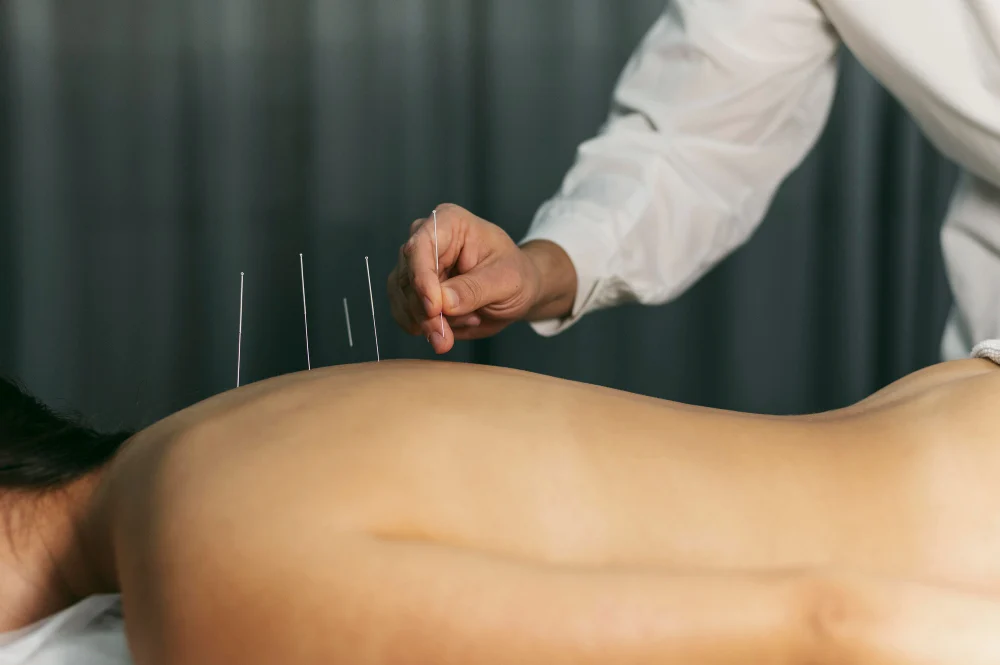
Acupuncture is a technique that began in ancient China and has been used for thousands of years. It involves placing very thin needles into specific points on the body. These points relate to pathways often called “meridians,” which are believed to influence the body’s function.
Today, acupuncture is approached scientifically in modern research. Many practitioners include it as part of a larger physiotherapy plan. By using acupuncture, they aim to stimulate the body’s natural processes, focusing on nerves, muscles, and connective tissues.
How Does Acupuncture Work?
Acupuncture works by interacting with the body’s nervous system. When the practitioner inserts fine needles into targeted areas, several responses can occur:
- The body may release natural chemicals such as endorphins.
- Blood flow in the treated area can increase.
- Muscles may relax, reducing tension.
- Nerve signals may shift, influencing how discomfort is perceived.
From a clinical viewpoint, acupuncture encourages the body to respond and adapt. It does not mask symptoms; instead, it prompts internal activity that can support
physical function.
What Happens During a Session?
At Physiotherapy & Sports Injuries Solutions in Whitby, a session usually starts with a detailed discussion. The practitioner asks about your condition, daily habits, and goals.
During the session, you will be comfortably positioned—either lying down or sitting, depending on the area being treated. The practitioner explains each step before proceeding so you know what to expect.
- The practitioner then inserts sterile, single-use needles at targeted points, explaining the purpose of each point and monitoring your reactions throughout the process.
- You may feel a mild sensation, such as tingling or warmth, at the needle sites. It is normal to feel new or different sensations, and the practitioner will check in regularly to ensure your comfort.
- The needles usually remain in place for about 15–30 minutes, during which you are encouraged to relax. You will be informed when time is almost up, and the practitioner will gently remove the needles.
Most people find the process calm and manageable. The needles are extremely thin, so discomfort is usually minimal.
Common Conditions Treated with Acupuncture
Many individuals use acupuncture to support a range of physical concerns. At our Whitby clinic, it is often included in a physiotherapy plan.
Some common uses include:
- Muscle tightness and strain
- Sports-related injuries
- Neck and back discomfort
- Joint stiffness
- Headaches and tension-related issues
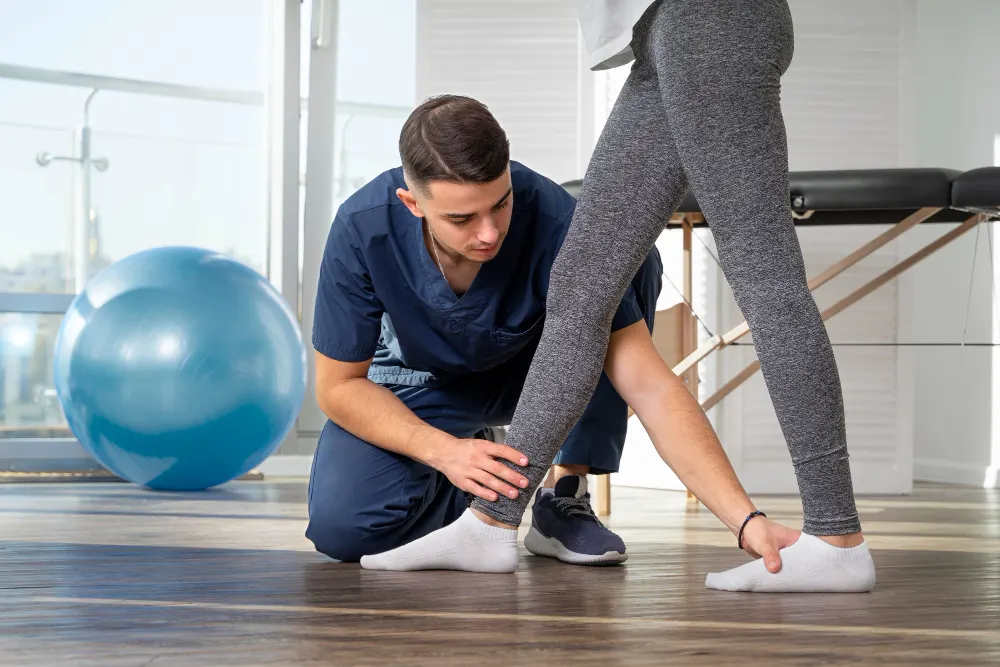
Practitioners often combine this treatment with exercises, manual therapy, and movement training to provide a more comprehensive approach.
Benefits of Acupuncture
Are you wondering why so many people turn to this treatment? People choose it for several reasons. While results vary from person to person, many report noticeable changes after a few sessions.
Here are some potential benefits:
- Supports muscle relaxation
- Encourages improved circulation
- Assists in reducing physical tension
- Complements rehabilitation programs
- May help restore movement patterns
When used alongside physiotherapy, acupuncture can play a valuable role in addressing both symptoms and underlying causes.
Is Acupuncture Safe?
Safety is a common concern, especially for first-time patients. At Physiotherapy & Sports Injuries Solutions in Whitby, trained professionals follow strict hygiene and safety protocols.
Key safety points include:
- Use of sterile, disposable needles
- Careful assessment before treatment
- Clear communication throughout the session
- Adjustments based on your comfort level
Most people tolerate acupuncture well. Mild side effects, such as slight soreness or temporary redness, can occur but usually resolve quickly.
What Does It Feel Like?
Many expect acupuncture to be painful, but the sensation often surprises them. The needles are much thinner than those used for injections.
You might notice:
- A light prick when the needle enters
- A dull ache or pressure
- A warm or tingling feeling
These sensations usually fade quickly. Some people even feel relaxed or sleepy during the session.
How Many Sessions Are Needed?
The number of sessions depends on your condition, how long you’ve had it, and your response to treatment.
In general:
- Acute issues may improve within a few sessions.
- Long-standing conditions may require ongoing visits.
- Your practitioner will review progress and adjust the plan.
Consistency often plays a key role in achieving noticeable changes.
Why Choose Acupuncture at Physiotherapy & Sports Injuries Solutions?
At our Whitby clinic, acupuncture is not used in isolation. Instead, it is integrated into a broader physiotherapy plan that focuses on movement, strength, and recovery.
This combined approach allows us to:
- Address both symptoms and contributing factors.
- Support a faster return to activity.
- Adapt treatment as your condition changes.
Our team focuses on clear communication and practical strategies, so you understand every step of your care.
Final Thoughts
Acupuncture is a well-established technique that continues to gain attention in modern physiotherapy. Stimulating specific points on the body can influence how muscles, nerves, and circulation function.
Whether you’re recovering from an injury or looking to improve movement, acupuncture may be a useful addition to your plan.