A small slip on the stairs, a brief wobble while turning quickly, or feeling unsteady when getting out of bed, these moments often seem minor. Many people in Whitby brush them off, thinking it’s just fatigue or a passing issue. Over time, these early signs can turn into more serious movement challenges that affect daily routines.
This is where Balance Training becomes important. When ignored, small stability issues can quietly progress into larger risks that affect walking, posture, and movement confidence. The danger is not always sudden; it often builds slowly, until a simple task becomes difficult to manage safely.
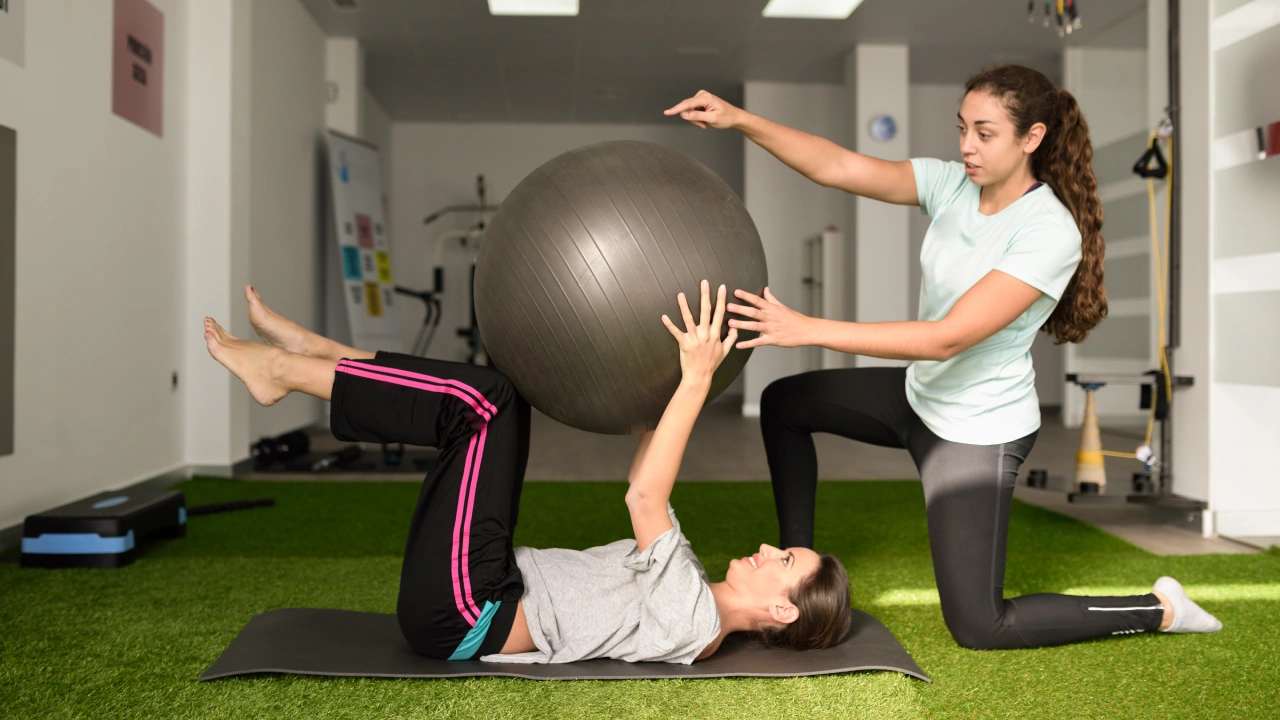
Balance Training focuses on improving the body’s control of movement, posture, and coordination. It helps the nervous system and muscles work together so that everyday actions feel more stable.
It may include:
The goal of Balance Training is to support safer movement during daily activities like walking, bending, climbing stairs, and changing direction.
When stability is not addressed early, movement control can gradually weaken. This often happens without clear warning.
Common causes include:
Without Balance Training, the body may slowly lose its ability to react quickly during unexpected movements. Even small missteps can become harder to recover from.
Ignoring stability-focused movement work can lead to real-life challenges that affect independence and safety.
Uneven ground or quick direction changes may lead to frequent loss of footing without Balance Training support.
Simple elevation changes become harder to manage, especially when stepping down or carrying items. This links directly to fall risk without balance exercises.
The body may not respond quickly enough when trying to catch yourself after slipping.
Weak control in lower muscles can cause shaking or fatigue while standing.
Lack of stability may lead to leaning or uneven weight distribution.
Uneven sidewalks or crowded areas may feel challenging without Balance Training.
The body compensates for instability, leading to uneven pressure on knees, hips, and ankles.
Small missteps may lead to a complete loss of balance due to a delayed corrective response.
Carrying objects while walking or turning quickly becomes more difficult.
Each of these risks highlights how quickly movement control can decline when Balance Training is ignored.
Balance Training is often included in movement-focused care plans because it helps restore control and coordination.
Key areas include:
These steps work together to improve the body’s ability to handle everyday movement demands.
Some habits can make stability issues more noticeable over time:
These patterns can reduce confidence in movement and slow down progress in coordination.
In Whitby, daily routines often involve commuting, workplace activity, school runs, and recreational sports. These activities require steady movement control, especially when navigating busy sidewalks, parking areas, or seasonal weather conditions.
Older adults in the area may also notice changes in coordination over time, especially during the winter months when surfaces become uneven or slippery. Without Balance Training, these everyday conditions can feel more demanding and increase movement hesitation.
Younger individuals recovering from sports injuries may also face temporary instability that affects walking, running, or direction changes. In all age groups, Balance Training plays a role in supporting safer movement patterns.
Starting early, once basic movement is allowed, can help restore coordination gradually through Balance Training.
Yes, consistent Balance Training can improve reaction control and reduce the chance of missteps.
Changes vary, but regular Balance Training over time helps improve movement control step by step.
Yes, Balance Training supports safer walking, standing, and daily movement tasks in older adults.
Past injuries, nerve-related conditions, muscle weakness, and aging can all impact stability and increase the need for Balance Training.
Repeated instability, frequent stumbling, or hesitation during movement should not be ignored, especially when it starts affecting daily activities. Addressing these signs early can help improve movement control and reduce further complications.
Support for movement stability is available through Physiotherapy & Sports Injuries Solutions at 3455 Garrard Rd, Whitby, ON L1R 2N2, Canada. If you are noticing ongoing balance concerns, reaching out for an assessment or booking an appointment can help guide the next steps toward safer movement through structured Balance Training.