Recovering from an injury, managing muscle strain, or dealing with ongoing physical discomfort can affect many aspects of daily life. Whether you enjoy sports, have a physically demanding job, or simply want to stay active, finding supportive treatment options can be an important part of your recovery journey. One approach often used alongside physiotherapy is Kinesio Taping.
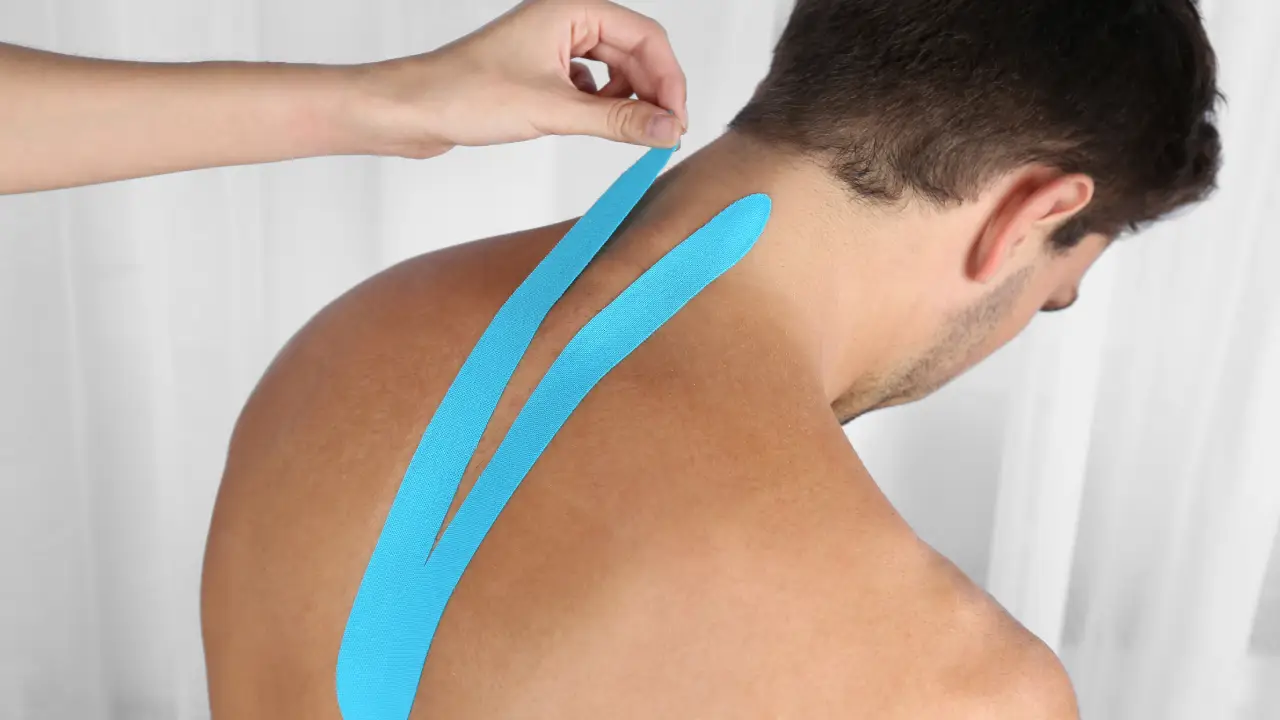
Kinesio Taping involves applying elastic therapeutic tape to targeted areas of the body. The tape is designed to move with the skin and muscles while providing support during movement. Many physiotherapists incorporate Kinesio Taping into rehabilitation programs to help individuals maintain activity while addressing common musculoskeletal concerns.
At Physiotherapy & Sports Injuries Solutions in Whitby, ON, patients often ask whether Kinesio Taping may be appropriate for their condition. While every situation is unique, several signs suggest this treatment method could be a valuable addition to a recovery plan.
Muscle fatigue is a common issue among athletes, active individuals, and people returning to exercise after an injury. When muscles become tired quickly, movement patterns may change, potentially placing additional stress on surrounding tissues.
Kinesio Taping is frequently used to support muscles during activity while allowing a natural range of motion. The tape may help provide sensory feedback that encourages proper movement patterns throughout daily activities and exercise sessions.
If you find that certain muscles feel overworked during routine activities, discussing Kinesio Taping with a physiotherapist may be worthwhile.
Sports injuries often involve muscles, ligaments, tendons, and joints that require structured rehabilitation. Recovery can take time, and many individuals look for ways to stay active while following their treatment plan.
Kinesio Taping is commonly used for conditions involving:
As part of a broader rehabilitation strategy, Kinesio Taping may provide additional support during movement and exercise. Athletes often appreciate that the tape is lightweight and flexible, making it suitable for training sessions and daily activities.
Some individuals experience a sensation that a joint feels less stable than usual following an injury or period of inactivity. This can occur in areas such as the ankle, knee, shoulder, or wrist.
A physiotherapist may use Kinesio Taping to help enhance awareness of joint positioning during movement. This increased feedback can encourage more controlled motion patterns while rehabilitation exercises address the underlying cause of instability.
Although taping is not intended to replace strengthening exercises, it can serve as one component of a comprehensive treatment plan.
Swelling often develops after injuries, surgeries, or periods of tissue irritation. Excess fluid accumulation may contribute to stiffness and reduced movement.
One reason physiotherapists use Kinesio Taping is to support the body’s natural fluid movement processes. Specific taping techniques are designed to create gentle lifting effects on the skin that may assist with circulation in the affected area.
When swelling is affecting comfort and mobility, an assessment by a qualified physiotherapist can help determine whether Kinesio Taping may be suitable for your recovery goals.
Simple activities such as walking, climbing stairs, reaching overhead, or bending down should not become ongoing challenges. If discomfort is interfering with your normal movement patterns, it may be a sign that your body needs additional support during recovery.
Kinesio Taping is often applied to help individuals move with greater confidence during daily activities. By supporting targeted muscles and joints, the tape may help improve movement awareness, while other physiotherapy treatments address contributing factors.
Many patients find that combining therapeutic exercise, manual techniques, and Kinesio Taping creates a well-rounded approach to recovery.
Poor posture can place extra stress on muscles and joints throughout the body. Extended periods of sitting, computer work, and repetitive tasks often contribute to postural changes over time.
Physiotherapists sometimes use Kinesio Taping as a reminder system to encourage improved positioning during daily activities. When applied strategically, the tape can provide feedback when posture begins to shift into less desirable positions.
While taping alone will not permanently correct posture, it can complement strengthening and mobility exercises that target long-term movement habits.
One of the biggest concerns people face during recovery is maintaining activity levels without aggravating symptoms. Completely avoiding movement is not always necessary, and remaining active is often an important part of rehabilitation.
Because Kinesio Taping is flexible and designed to move with the body, it may help support participation in certain activities when used as recommended. Whether you enjoy recreational sports, fitness training, or active hobbies, taping can sometimes help bridge the gap between injury and full return to activity.
For individuals seeking a supportive option during rehabilitation, Kinesio Taping may be worth discussing with a physiotherapist.
Successful recovery typically involves more than a single treatment technique. Physiotherapists assess movement patterns, identify contributing factors, and develop treatment plans based on individual needs.
When integrated into a broader physiotherapy program, Kinesio Taping may be combined with:
This combination helps address both symptoms and contributing movement patterns while supporting overall recovery objectives.
Although taping products are widely available, proper application is important. Different conditions require different taping methods, tension levels, and placement techniques.
A trained physiotherapist can evaluate your condition and determine whether Kinesio Taping is appropriate for your situation. They can also ensure the tape is applied correctly and incorporated into a treatment plan that aligns with your recovery goals.
For residents of Whitby, ON, working with a qualified physiotherapy team can help ensure that treatment decisions are based on a thorough assessment rather than guesswork.
Kinesio Taping is a therapeutic taping method that uses elastic tape applied to specific areas of the body to support muscles, joints, and movement patterns during activity and rehabilitation.
Depending on the application and skin type, Kinesio Tape can often remain in place for several days. Your physiotherapist will provide instructions regarding wear time and care.
Yes. Kinesio Taping is commonly used in rehabilitation programs for various sports-related conditions affecting muscles, tendons, ligaments, and joints.
Not everyone is a candidate for Kinesio Taping. A physiotherapist can assess your condition, medical history, and skin sensitivity to determine whether it is appropriate.
No. Kinesio Taping is generally used as a complementary treatment. Exercise, Mobility work, and other physiotherapy interventions remain important parts of most rehabilitation programs.
If you are recovering from an injury, dealing with muscle strain, experiencing joint concerns, or looking for ways to stay active during rehabilitation, the team at Physiotherapy & Sports Injuries Solutions in Whitby, ON can help.
Our physiotherapists provide comprehensive assessments and individualized treatment plans that may include Kinesio Taping when appropriate. We focus on helping patients improve movement, support recovery, and return to the activities that matter most.
Contact Physiotherapy & Sports Injuries Solutions today to schedule an assessment and learn whether Kinesio Taping may be a suitable addition to your recovery plan.