
A road collision can instantly alter daily life. Even a low-speed impact may leave you with neck stiffness, back pain, sore muscles, headaches, reduced mobility, or difficulty carrying out everyday tasks. Some symptoms appear immediately, while others develop days after the accident. Ignoring these changes can make recovery slower and affect work, family life, hobbies, and fitness.
MVA Therapy in Whitby plays an important role in helping people regain movement, reduce discomfort, and return to normal routines after a motor vehicle accident in Whitby. Whether the collision was minor or severe, early assessment and structured care can help address injuries before they become ongoing concerns.
For people in Whitby, taking action soon after an accident can make a significant difference. At Physiotherapy & Sports Injuries Solutions, every stage of recovery focuses on restoring mobility, improving strength, and helping individuals return to daily activities with confidence.
During a collision, the body absorbs forces that can strain muscles, ligaments, joints, tendons, and nerves. Even when vehicle damage appears minimal, rapid movements can still irritate the body’s tissues. rapid movements that create tissue irritation.
Common issues following a road collision include:
Some people walk away from an accident believing they escaped injury, only to notice increasing soreness over the following days. This delayed response is common because inflammation and muscle tension often develop gradually.
Early assessment helps identify small issues before they disrupt normal movement.
Recovering after a collision is about much more than waiting for pain to fade. The body often needs structured rehabilitation so injured tissues can regain mobility, strength, flexibility, and function.
The primary goal of MVA therapy in Whitby is restoring comfortable movement while addressing the source of physical limitations caused by the accident.
A rehabilitation plan may include:
These approaches work together to improve movement quality while reducing stiffness and restoring confidence in everyday activities.
Many people notice improvements in tasks such as the following:
Recovery looks different for every individual because every collision affects the body differently.
Road collisions frequently involve sudden acceleration and deceleration forces. These movements may affect multiple parts of the body simultaneously.
Whiplash remains one of the most common injuries after rear-end collisions. Symptoms often include:
Without proper rehabilitation, stiffness may continue for weeks or months.
The spine absorbs significant force during an accident. Muscle strains, ligament injuries, joint irritation, and disc problems may develop depending on the impact.
People may notice:
Bracing against the steering wheel or seat belt pressure can contribute to shoulder problems. Reduced arm movement may interfere with dressing, lifting, and reaching overhead.
The lower body may absorb force from pedals, dashboard contact, or sudden twisting movements. These injuries can affect walking, stairs, and balance.
Recovery after a road collision involves more than treating one painful area. The body often compensates for injured tissues, causing movement patterns to change. These changes can create strain in nearby muscles and joints.
A structured rehabilitation program begins with a detailed assessment to identify:
Once these factors are identified, treatment progresses through stages that match the body’s recovery.
Early sessions often focus on reducing stiffness and restoring gentle movement.
As mobility improves, strengthening exercises help muscles support injured joints more efficiently.
Later stages concentrate on functional activities such as lifting, reaching, carrying, walking longer distances, and returning to work or sport.
Throughout recovery, progress is monitored so exercises can be adjusted according to changing needs.
This gradual process helps many individuals regain confidence while returning to normal routines safely.
Many people assume rehabilitation is unnecessary after a small collision because there are no visible injuries or severe vehicle damage.
Unfortunately, symptoms do not always appear immediately.
Several injuries commonly develop hours or days later, including:
Ignoring these symptoms may allow muscles to remain tight while joints lose normal mobility.
Early assessment can identify subtle problems before they affect daily life.
Even if symptoms appear mild, rehabilitation may help maintain normal movement and reduce the likelihood of prolonged stiffness.
If you notice discomfort while driving, working at a computer, lifting groceries, or sleeping after a collision, arranging an assessment is a sensible next step.
The first visit focuses on understanding how the accident affected your body.
Your physiotherapist may ask questions about the following:
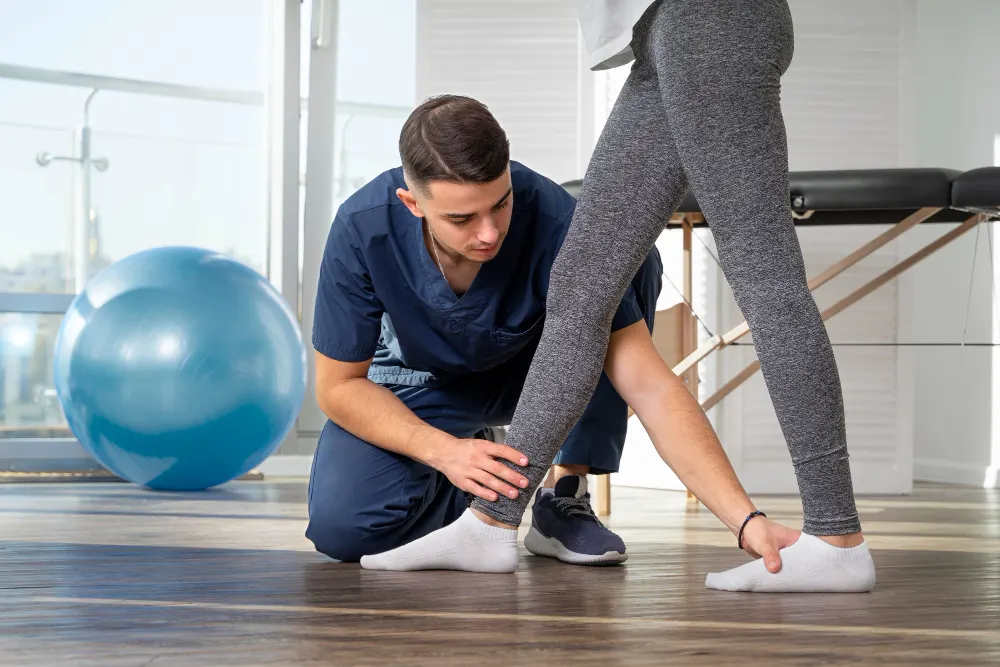
A physical examination may include:
These findings help determine the most appropriate rehabilitation plan.
Waiting weeks before seeking care can sometimes allow stiffness, muscle weakness, and movement restrictions to become more noticeable.
Beginning rehabilitation earlier may help:
Early intervention also allows progress to be monitored from the beginning rather than after symptoms have become more persistent.
Everyday movements often become challenging after a collision.
Simple activities such as:
may become uncomfortable.
Recovery focuses on gradually rebuilding movement capacity without placing unnecessary strain on healing tissues.
Small improvements made consistently often lead to meaningful gains over time.
Work demands vary widely.
Office workers may struggle with prolonged sitting and computer use.
Construction workers may experience difficulty lifting and carrying.
Healthcare workers often need repeated bending and standing.
Drivers may notice discomfort during long periods behind the wheel.
Rehabilitation programs often include work-related movement training to help prepare the body for these physical demands.
Athletes and active individuals frequently wish to resume training as soon as possible.
Before returning, the body should demonstrate:
Progressive exercise helps rebuild these abilities safely.
Whether your activity involves running, cycling, hockey, tennis, golf, or fitness training, movement quality remains an important part of returning successfully.
Road collisions can affect more than muscles and joints.
Some people become hesitant about driving again or feel anxious during travel.
Physical improvement often contributes to renewed confidence as movement becomes easier and everyday activities become more comfortable.
Maintaining communication with your healthcare providers and following your rehabilitation plan can support both physical and emotional recovery.
If you’ve recently been involved in a collision:
Small, consistent steps often contribute to steady progress.
If you’re recovering after a road collision, having access to a physiotherapy clinic close to home can make attending appointments easier.
At Physiotherapy & Sports Injuries Solutions, individuals in Whitby receive focused care aimed at improving movement, restoring physical function, and helping them return to everyday activities after an accident.
Whether your symptoms involve whiplash, back pain, shoulder injuries, joint stiffness, or reduced mobility, the clinic works with you through each stage of rehabilitation so you can continue progressing toward your daily goals.
Starting as soon as possible after medical clearance is often beneficial. Early assessment can identify injuries before they become more limiting and helps create a rehabilitation plan that matches your condition.
Yes. Whiplash is one of the most common injuries after road collisions. Rehabilitation may include manual therapy, mobility exercises, stretching, and strengthening to improve neck movement and function.
Yes, it can still be worthwhile. Symptoms such as stiffness, headaches, or muscle soreness may appear several days after a collision, even when the vehicle sustained little damage.
Recovery varies depending on the type of injury, overall health, and how quickly rehabilitation begins. Some individuals improve within weeks, while others require a longer period of structured care.
No. Rehabilitation also focuses on restoring mobility, strength, flexibility, balance, posture, and functional movement so everyday activities become easier and more comfortable.
Start Your Recovery Today
If you’ve recently been involved in a road collision, don’t ignore stiffness, pain, or limited movement—even if the accident seemed minor.
Contact Physiotherapy & Sports Injuries Solutions in Whitby to schedule an assessment and begin your recovery journey. Taking action early can help you restore movement, return to daily activities, and move forward with confidence.