Heel pain can make even simple activities feel challenging. Walking to work, exercising, standing for long periods, or enjoying a stroll may become uncomfortable when every step irritates. While heel pain has many possible causes, improper foot mechanics often play a significant role. That is why many people consider custom orthotics as part of their treatment plan.
Unlike over-the-counter shoe inserts, custom orthotics are designed to match the unique shape and movement of your feet. They help improve foot alignment, distribute pressure more evenly, and support natural movement patterns. When combined with physiotherapy and targeted exercises, they can help reduce stress on the structures contributing to heel pain.
At Physiotherapy & Sports Injuries Solutions in Whitby, patients receive a comprehensive assessment to determine whether custom orthotics are appropriate for their condition. Understanding how orthotics work can help you decide whether they may be the right solution for your needs.
Heel pain is one of the most common foot complaints among adults. It may develop gradually through repetitive strain or appear after increased physical activity, prolonged standing, or changes in footwear.
Common causes include:
Although symptoms often begin in the heel, the underlying cause may involve the entire lower limb, including the ankles, knees, hips, and walking pattern.
Custom orthotics are prescription shoe inserts created specifically for your feet. A healthcare professional evaluates your foot structure, gait, posture, and movement before designing orthotics that address your individual needs.
Unlike generic insoles, custom orthotics aim to improve biomechanics by providing appropriate support where your feet need it most.
Depending on your condition, they may help with the following:
Each pair is designed according to detailed measurements rather than using a one-size-fits-all approach.
Your feet absorb thousands of pounds of force every day. If those forces are not distributed evenly, certain tissues become overloaded.
For example, excessive inward rolling of the foot (pronation) may place additional tension on the plantar fascia, while high arches may reduce shock absorption and increase pressure beneath the heel.
Over time, repeated stress can lead to inflammation, tissue irritation, and persistent discomfort.
Addressing these movement patterns often plays an important role in reducing symptoms.
Many people visit Physiotherapy & Sports Injuries Solutions because they want more than temporary symptom management. Custom orthotics work by improving the way forces travel through the foot during standing, walking, and running.
They may help by:
Proper arch support reduces excessive strain on the plantar fascia and surrounding tissues.
Orthotics spread pressure more evenly across the foot instead of allowing excessive force to concentrate beneath the heel.
Correcting abnormal foot mechanics can influence how the ankles, knees, hips, and lower back function during movement.
When soft tissues experience less repetitive strain, irritation often decreases over time.
Many people notice greater comfort while walking, working, or participating in recreational activities after their feet receive improved support.
Custom-made orthotics are commonly recommended for several conditions affecting the feet and lower limbs.
These include:
An assessment helps determine whether orthotics are appropriate for your specific condition.
Although orthotics can improve foot mechanics, they often work most effectively when combined with physiotherapy.
A complete rehabilitation programme may include the following:
This combination helps improve movement while addressing the underlying causes of heel pain.
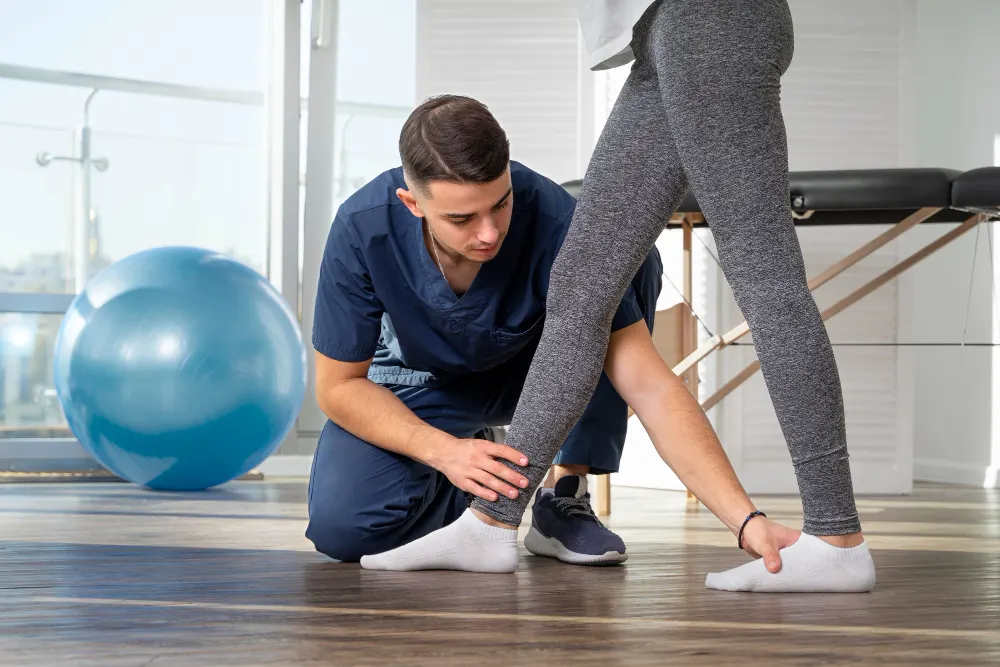
At Physiotherapy & Sports Injuries Solutions, the assessment involves much more than measuring your shoe size.
Your physiotherapist may evaluate:
These findings help determine whether custom orthotics are likely to improve your symptoms.
Every person’s recovery timeline is different.
Some individuals notice increased comfort within the first few weeks of wearing their orthotics, while others experience gradual improvement as their body adapts to the new support.
Several factors influence recovery, including:
Following your physiotherapist’s recommendations can help support steady progress.
Orthotics work most effectively when paired with supportive shoes.
Look for footwear that provides:
Worn-out or unsupportive shoes may reduce the effectiveness of your orthotics and continue placing unnecessary stress on your feet.
Along with wearing orthotics, several simple habits may help reduce heel discomfort.
Consider the following:
These strategies help reduce repetitive stress on the affected tissues.
Persistent heel pain should not be ignored, especially if it affects your daily activities or continues despite home care.
Consider scheduling an assessment if you experience:
Early assessment often helps identify the contributing factors before symptoms become more limiting.
At Physiotherapy & Sports Injury Solutions, every patient receives an individualized assessment focused on identifying the source of heel pain rather than simply managing symptoms.
Serving individuals throughout Whitby, the clinic combines biomechanical assessments, physiotherapy, exercise programmes, movement education, and custom orthotics when appropriate. This comprehensive approach helps improve walking mechanics, reduce unnecessary strain on the feet, and support long-term function for work, recreation, and everyday activities.
Heel pain can affect nearly every part of your daily routine, but identifying its underlying cause is the first step toward improving comfort and mobility. When abnormal foot mechanics contribute to the problem, custom orthotics may help improve alignment, reduce pressure on sensitive tissues, and support more efficient movement.
If you’re experiencing ongoing heel pain, an assessment at Physiotherapy & Sports Injuries Solutions in Whitby can determine whether custom orthotics are suitable for your needs and how they can fit into a complete rehabilitation plan.
Don’t let heel pain limit your daily activities. Contact Physiotherapy & Sports Injuries Solutions in Whitby to schedule a comprehensive assessment and discover whether custom orthotics can support your recovery. Your physiotherapist will evaluate your movement, identify contributing factors, and recommend the most appropriate treatment plan to help you move with greater comfort.
Location: https://maps.app.goo.gl/qrJZs8eJRr9QtNfK7
Take the next step toward healthier movement by booking your appointment with Physiotherapy & Sports Injuries Solutions today.