
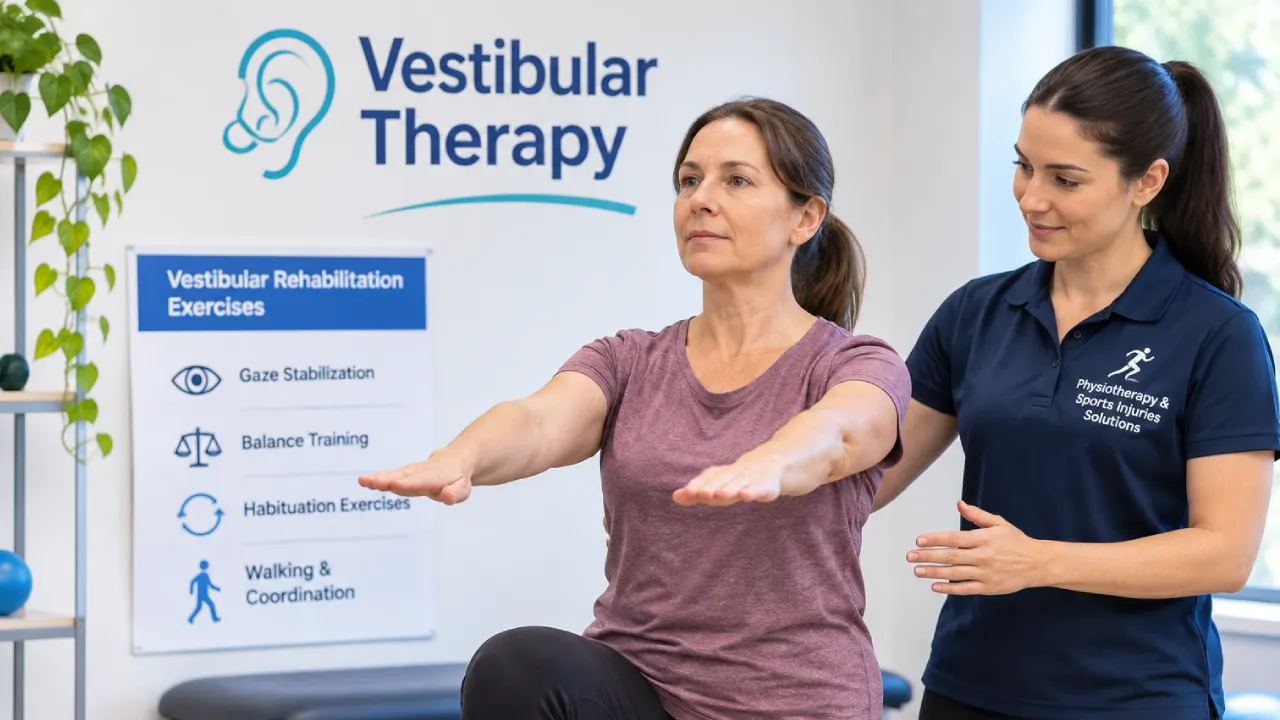
Balance is an important part of everyday life. From walking and climbing stairs to bending down, turning your head, or getting out of bed, nearly every movement requires coordination between different parts of the body. When your balance is affected, even simple activities can become difficult. You may feel dizzy, unsteady, lightheaded, or as though the room is moving around you. These symptoms can interfere with your daily routine, work, exercise, and confidence when moving independently.
Balance problems can occur for several reasons, including inner ear disorders, head injuries, age-related changes, and certain neurological conditions. One treatment approach that can help address these difficulties is Vestibular Therapy. It focuses on improving the body’s ability to process movement and maintain stability through targeted exercises and physical rehabilitation.
For residents of Whitby experiencing dizziness, vertigo, or difficulty maintaining balance, Physiotherapy & Sports Injuries Solutions provides physiotherapy services that can support mobility and physical function.
In this article, we will explore how vestibular rehabilitation works, what causes balance difficulties, which symptoms may indicate a vestibular problem, and how physiotherapy can help you move with greater confidence.
The vestibular system is located within the inner ear and plays an important role in maintaining balance, posture, and coordination. It works alongside the eyes, muscles, joints, and brain to help you understand your body’s position and movement.
For example, when you turn your head while walking, your vestibular system helps your eyes remain focused on the surroundings. It also sends information to the brain about changes in head position and movement.
When this system does not function correctly, the brain may receive conflicting information. This can lead to dizziness, vertigo, blurred vision, unsteadiness, and difficulty walking.
Vestibular Therapy is a physiotherapy-based rehabilitation approach that uses specific movements and exercises to help the brain adapt to changes in the vestibular system. These exercises aim to improve balance responses, visual stability, coordination, and confidence during everyday activities.
The treatment plan depends on the underlying cause of the symptoms, their severity, and the individual’s physical abilities.
Balance difficulties can develop for several reasons. Identifying the underlying cause is an important part of choosing an appropriate rehabilitation approach.
Here are some common conditions associated with vestibular dysfunction.
BPPV is one of the most common causes of vertigo. It occurs when tiny calcium carbonate crystals inside the inner ear move into one of the semicircular canals.
These crystals interfere with the normal movement signals sent to the brain. As a result, certain head movements may trigger sudden episodes of spinning sensations.
Common triggers include:
A physiotherapist trained in vestibular rehabilitation may use repositioning procedures, such as the Epley manoeuvre, when appropriate. These movements help guide the displaced crystals to their usual location.
Vestibular neuritis involves inflammation affecting the vestibular nerve, which carries balance information from the inner ear to the brain.
It can cause sudden, intense vertigo, nausea, difficulty walking, and unsteadiness. Some people also experience blurred vision when moving their heads.
Although the initial symptoms may improve over time, some individuals continue to have balance difficulties.
Rehabilitation exercises can help the brain adapt to changes in vestibular signals and improve coordination between the eyes and head.
Labyrinthitis is an inner ear condition that affects structures responsible for hearing and balance. It may develop following an infection.
Symptoms can include:
People experiencing these symptoms should seek medical assessment, particularly when hearing is affected.
Once the underlying condition has been assessed, physiotherapy may form part of the recovery plan.
A fall, sports injury, or accident can affect the vestibular system and the way the brain processes movement information.
Following a concussion, some individuals experience dizziness, headaches, visual disturbances, motion sensitivity, and difficulty walking in busy environments.
These symptoms can make activities such as driving, reading, exercising, and working difficult.
Vestibular rehabilitation may help address specific movement-related symptoms through gradual exercises that challenge the balance and visual systems.
As people grow older, changes in vision, muscle strength, joint movement, and inner ear function can affect balance.
These changes may increase the likelihood of falls, particularly when walking on uneven surfaces, using stairs, or moving in low-light environments.
Physiotherapy can help older adults work on lower-body strength, coordination, walking patterns, and postural stability.
Certain neurological conditions can interfere with the communication between the brain and the body’s balance systems.
Examples include Parkinson’s disease, multiple sclerosis, and stroke.
People with these conditions may experience slower movement, poor coordination, altered posture, and difficulty maintaining stability.
A physiotherapist can assess these difficulties and determine whether vestibular rehabilitation is appropriate as part of a wider physiotherapy program.
Vestibular rehabilitation aims to help the brain process movement information more efficiently and improve the body’s responses to changes in position.
Rather than focusing only on individual symptoms, treatment addresses the movement patterns and balance functions affected by vestibular dysfunction.
Here are several ways rehabilitation can help.
The vestibular system helps keep your vision steady when your head moves. When this function is disrupted, you may notice blurred vision or difficulty focusing while walking.
Physiotherapists may introduce gaze-stabilization exercises to help coordinate head and eye movements.
One common exercise involves focusing on a stationary object while slowly moving the head from side to side.
The exercise may gradually progress by changing the speed of head movement or introducing different positions.
With consistent practice, these activities can help improve visual stability during everyday movements.
Balance depends on information received from the inner ear, eyes, and sensory receptors in the muscles and joints.
When one of these systems is affected, the body may struggle to maintain an upright position.
Physiotherapy exercises can challenge these systems through activities such as:
These activities encourage the body to develop appropriate balance responses.
The difficulty of each exercise is adjusted according to the individual’s ability and safety requirements.
Some people with vestibular disorders feel dizzy when moving their heads, changing positions, or walking through busy environments.
This can lead them to avoid certain activities.
Habituation exercises involve repeating specific movements that trigger mild symptoms in a controlled manner. The aim is to help the nervous system gradually become less sensitive to those movements.
The exercises should be introduced at an appropriate pace. Excessively intense movements may increase symptoms rather than support progress.
Walking requires continuous coordination between the eyes, inner ears, muscles, and joints.
Vestibular dysfunction can make walking difficult, particularly when turning, changing direction, or moving through crowded spaces.
A physiotherapist may include walking exercises that involve:
These activities can help develop walking coordination and improve confidence when moving around different environments.
Dizziness and balance difficulties are common symptoms following some head injuries.
A rehabilitation program may include visual tracking activities, gaze stabilization, balance exercises, and gradual exposure to movements that trigger symptoms.
The program should account for other concussion-related symptoms, including headaches, fatigue, and sensitivity to light.
Progression should be gradual, with medical assessment when symptoms persist or worsen.
Balance difficulties can affect more than physical movement. They may also cause people to avoid social activities, exercise, shopping, and outdoor walks.
Working on controlled movements in a supervised setting can help individuals become more confident with activities that previously felt difficult.
For residents of Whitby, Vestibular Therapy may be one part of a physiotherapy program aimed at improving everyday movement and functional independence.
The exercises used during rehabilitation depend on the condition being treated and the individual’s symptoms.
A physiotherapist may introduce several categories of exercises.
These activities involve maintaining focus on an object while moving the head.
Examples include
These exercises are commonly used when head movement causes blurred vision or visual instability.
Balance exercises help develop coordination and postural control.
Examples include standing with different foot positions, controlled weight shifting, and maintaining stability on different surfaces.
As balance improves, exercises may progress to include head movements or walking activities.
These exercises involve repeated exposure to movements that trigger dizziness.
For example, a physiotherapist may introduce controlled bending, turning, or position changes.
The movements are selected according to the individual’s symptoms and tolerance.
Walking exercises may involve turning the head, changing direction, stepping around obstacles, or walking on different surfaces.
These activities focus on improving coordination during functional movements.
It is important not to start challenging exercises without an assessment, particularly if you have frequent dizziness or a history of falls.
Your first appointment generally begins with a discussion about your symptoms, medical history, and daily activities.
The physiotherapist may ask questions such as
The assessment may include:
Eye movement assessment: The physiotherapist checks how your eyes move and whether visual focus changes during head movements.
Balance testing: Different standing and movement activities may be used to assess postural stability.
Walking assessment: Your walking pattern, coordination, and ability to turn may be examined.
Positional testing: When BPPV is suspected, specific positional tests may help identify the affected inner ear canal.
Following the assessment, the physiotherapist can discuss suitable rehabilitation activities and how progress will be monitored.
People experiencing certain types of dizziness and balance difficulties may benefit from a physiotherapy assessment.
This may include individuals who:
Older adults may also benefit from balance assessments and exercises that address strength, coordination, and walking stability.
However, not every cause of dizziness is vestibular. Conditions involving blood pressure, heart function, vision, and other medical factors can also cause similar symptoms. A suitable medical assessment is important before starting rehabilitation.
Living with recurring dizziness or instability can affect many aspects of everyday life.
Physiotherapy provides an opportunity to assess how these symptoms affect movement and identify exercises that may address specific physical difficulties.
At Physiotherapy & Sports Injuries Solutions, individuals in Whitby can inquire about physiotherapy services for movement-related concerns.
Working with a physiotherapist can help you:
The number of appointments required varies according to the underlying condition, symptom severity, and response to rehabilitation.
Some people with BPPV may respond to a small number of repositioning sessions, while others with more persistent vestibular problems may require a longer rehabilitation period.
Although many balance conditions can be managed through appropriate rehabilitation, sudden or severe dizziness should not automatically be assumed to be an inner ear problem.
Seek urgent medical attention if dizziness occurs alongside:
These symptoms may indicate a serious medical condition, including a stroke, and require immediate assessment.
You should also consult a healthcare professional if dizziness is recurring, worsening, or interfering with daily activities.
The duration varies depending on the underlying condition, symptom severity, and consistency with prescribed exercises. Some people with positional vertigo may notice changes after a small number of sessions. Others may require several weeks or longer. Your physiotherapist can monitor progress and adjust the exercise program when necessary.
Yes. Vestibular rehabilitation can help with certain causes of vertigo. For BPPV, a physiotherapist may use canalith repositioning procedures. Other vestibular conditions may require gaze stabilization, habituation, and balance exercises. The appropriate approach depends on the diagnosis.
Mild, temporary dizziness can occur during certain exercises because they involve movements that challenge the vestibular system. However, severe or prolonged symptoms should not be ignored. Your physiotherapist can adjust the movements, repetitions, and exercise intensity according to your response.
Yes. Older adults experiencing balance difficulties may benefit from rehabilitation that addresses vestibular function, walking stability, coordination, and lower-body strength. A physiotherapy assessment can help identify contributing factors and determine suitable activities.
Referral requirements depend on the clinic, insurance provider, and applicable healthcare arrangements. Many physiotherapy clinics accept direct appointments, although certain insurance plans may have specific requirements. Contact Physiotherapy & Sports Injuries Solutions to inquire about its appointment process.
Balance difficulties can affect your ability to walk, exercise, work, and participate in everyday activities. However, identifying the underlying cause is an important first step towards managing these symptoms.
Vestibular Therapy can help address certain balance and dizziness conditions through targeted exercises, visual coordination activities, and movement training. With an appropriate assessment and a structured rehabilitation program, individuals may work towards improved stability and greater confidence during daily activities.
If you are experiencing vertigo, recurring dizziness, or difficulty maintaining balance, consider speaking with a physiotherapist.
Contact Physiotherapy & Sports Injuries Solutions in Whitby today to inquire about physiotherapy appointments and discuss whether vestibular rehabilitation may be suitable for your needs.
Phone: +1 905-571-5278
Address: 3455 Garrard Rd, Whitby, ON L1R 2N2, Canada