How Different Cupping Methods Help Reduce Pain
Pain can make even simple daily activities difficult. Whether it is caused by muscle tension, sports injuries, poor posture, or chronic conditions, finding an effective treatment is important for long-term recovery. One therapy that has gained significant popularity in recent years is cupping therapy. Many people looking for the
Best Cupping Therapy want to understand the different types available and which option provides the most effective pain relief.
At Physiotherapy & Sports Injuries Solutions in Whitby, cupping therapy is often incorporated into personalized treatment plans to help reduce pain, improve circulation, and support faster recovery. Understanding the various cupping techniques can help you choose the right approach for your needs.
What Is Cupping Therapy?
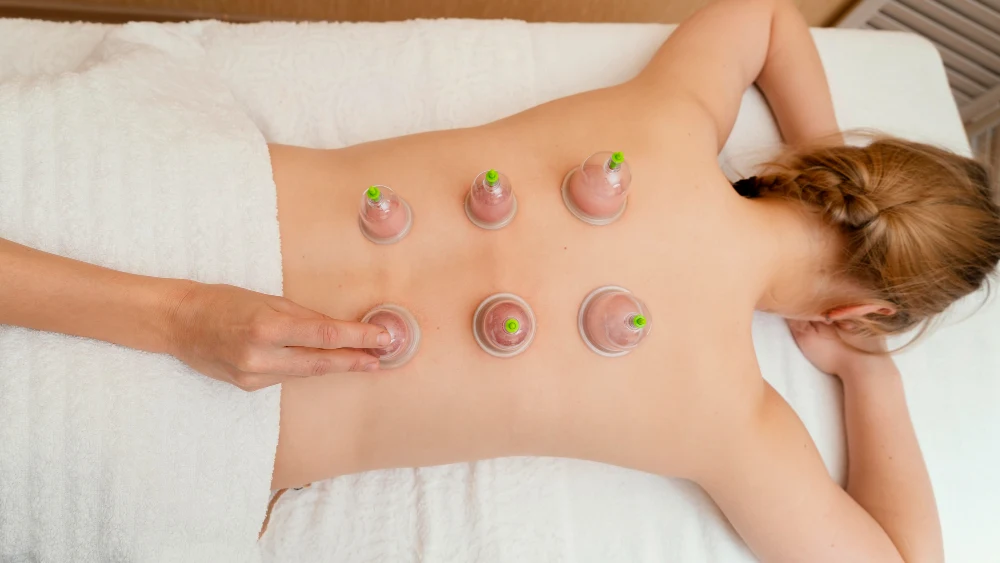
Cupping therapy is a treatment that uses specialized cups placed on the skin to create suction. This suction gently lifts the skin and underlying tissues, encouraging blood flow and reducing muscle tightness. The therapy has been used for centuries and is now widely integrated into modern rehabilitation and physiotherapy programs.
Many patients seek the Best Cupping Therapy because it can:
- Reduce muscle tension
- Improve circulation
- Promote healing
- Decrease pain and inflammation.
- Increase mobility and flexibility.
- Support recovery after sports injuries
Types of Cupping Therapy
Several forms of cupping therapy exist, and each offers unique benefits for pain management.
1. Dry Cupping
Dry cupping is the most common form of cupping therapy. A therapist places cups on specific areas of the body and creates suction using a pump or heat method.
Benefits of dry cupping include:
- Relieving muscle stiffness
- Improving blood circulation
- Reducing chronic pain
- Supporting relaxation
Dry cupping is effective for individuals with back, neck, and shoulder pain, as well as sports-related muscle soreness.
2. Moving Cupping
Moving cupping combines suction with massage techniques. The therapist applies oil to the skin and gently glides the cups across targeted areas.
This technique can:
- Release tight fascia
- Improve tissue mobility
- Enhance circulation
- Reduce muscle knots
Many athletes prefer moving cupping because it covers larger muscle groups and promotes faster recovery after intense physical activity.
3. Flash Cupping
Flash cupping involves placing and removing cups repeatedly over an affected area. The cups remain on the skin for only a brief time before being moved.
Benefits include:
- Stimulating circulation
- Reducing localized tension
- Providing a gentler treatment option
People with sensitive skin or those new to cupping therapy often find flash cupping comfortable and effective.
4. Wet Cupping
Wet cupping involves creating small superficial incisions before applying the cups. This technique is less commonly used in physiotherapy settings and is generally performed by specially trained practitioners.
Potential benefits may include:
- Enhanced detoxification
- Improved circulation
- Reduction of certain inflammatory symptoms
Because wet cupping is more invasive, many physiotherapy clinics focus on non-invasive cupping methods for pain relief.
Which Type Is Best for Pain Relief?
When patients ask about the Best Cupping Therapy for pain relief, the answer often depends on the source and severity of the pain.
Dry Cupping Is Often the Top Choice
For most individuals dealing with muscular pain, dry cupping offers excellent results. It effectively targets:
- Chronic back pain
- Neck stiffness
- Shoulder tension
- Muscle tightness
- Sports injuries
Dry cupping delivers focused treatment while remaining safe and comfortable for most patients.
Moving Cupping for Larger Muscle Groups
If your pain affects larger areas such as the back, thighs, or shoulders, moving cupping may provide superior results. The combination of suction and movement helps release deep tension while improving flexibility.
Personalized Treatment Delivers the Best Results
The Best Cupping Therapy is not always the same for everyone. A qualified physiotherapist will assess your condition, identify the underlying cause of your pain, and recommend the most appropriate cupping technique.
How Cupping Therapy Supports Recovery
Cupping therapy does more than temporarily reduce discomfort. It helps address underlying issues that contribute to ongoing pain.
Key recovery benefits include:
- Increased blood flow to injured tissues
- Faster removal of metabolic waste
- Reduced muscle guarding
- Improved range of motion
- Enhanced tissue healing
When combined with physiotherapy exercises and manual therapy, cupping can become a valuable part of a comprehensive recovery plan.
Who Can Benefit from Cupping Therapy?
Many people can experience relief through cupping therapy, including:
- Athletes recovering from sports injuries
- Office workers with neck and shoulder tension
- Individuals with chronic back pain
- People suffering from muscle tightness
- Patients recovering from physical strain
The Best Cupping Therapy program aligns with your specific symptoms, lifestyle, and treatment goals.
What to Expect During a Session
A typical cupping therapy session is straightforward and comfortable.
During treatment:
- Your physiotherapist evaluates your condition.
- Cups are placed on targeted areas.
- Gentle suction is applied.
- The cups remain in place for several minutes or are moved across the skin.
- The therapist may combine cupping with other physiotherapy techniques.
Many patients report feeling immediate relief and improved mobility following treatment.
Why Choose Physiotherapy & Sports Injuries Solutions in Whitby?
At
Physiotherapy & Sports Injuries Solutions in Whitby, patient care focuses on identifying the root cause of pain rather than simply managing symptoms. The clinic provides individualized treatment plans that may include cupping therapy, manual therapy, exercise rehabilitation, and injury prevention strategies.
Their experienced team carefully evaluates each patient’s condition to determine the Best Cupping Therapy approach for optimal pain relief and recovery.
Frequently Asked Questions (FAQs)
What is the Best Cupping Therapy for pain relief?
Dry cupping is often considered the Best Cupping Therapy for relieving muscle tension, back pain, neck pain, and sports-related soreness. However, the right method depends on your specific condition.
Is cupping therapy safe?
Yes. When performed by a qualified physiotherapist, cupping therapy is generally safe and can effectively support pain relief and recovery.
How many cupping therapy sessions do I need?
The number of sessions varies based on your condition, symptoms, and recovery goals. Some patients experience relief after one session, while others benefit from ongoing treatment.
Can cupping therapy help sports injuries?
Yes. Cupping therapy can improve circulation, reduce muscle tightness, and support faster recovery from sports-related injuries.
Does cupping therapy leave marks on the skin?
Yes. Temporary circular marks may appear after treatment. These marks are normal and usually fade within a few days to two weeks.
Can cupping therapy be combined with physiotherapy?
Absolutely. Many patients achieve better results when cupping therapy is combined with physiotherapy exercises, manual therapy, and rehabilitation programs.
Conclusion
Cupping therapy can be an effective way to reduce pain, improve circulation, and support recovery. While several types of cupping are available, dry cupping and moving cupping are often the most effective options for pain management. The Best Cupping Therapy depends on your individual condition, pain patterns, and recovery goals.